China Multi-Week Route Planner 2026: 2-Week, 3-Week & 1-Month Itineraries
China is big. Like, really big. You could spend a year here and barely scratch the surface. So how do you plan a multi-week trip that covers the highlights without spending half your vacation in transit?
This guide gives you six tested route combinations — from a tight 10-day Golden Triangle to an epic 30-day grand tour — plus the transportation logic that connects them. Every route assumes you’re traveling independently (or with a small group of friends) and moving between cities via China’s exceptional high-speed rail network.
The goal isn’t to tell you exactly where to eat lunch on Day 7. It’s to give you a framework — which cities connect well, how many days each deserves, and why some combinations work better than others.
The Golden Rules of China Route Planning
Before we get to the routes, three principles that will save you from the most common mistakes:
1. Depth > Breadth
Every city change costs half a day — checkout, transfer, station security, check-in. Three cities in 10 days > five cities in 10 days. If you’re spending more than 20% of your waking hours in transit, cut a city.
2. Build Around a Spine
China’s high-speed rail network forms the backbone of every good route. The key corridors:
| Corridor | Route | Key Cities |
|---|---|---|
| Beijing–Guangzhou (南北大动脉) | North–South | Beijing → Zhengzhou → Wuhan → Changsha → Guangzhou |
| Beijing–Shanghai (京沪高铁) | Northeast–East | Beijing → Jinan → Nanjing → Shanghai |
| Shanghai–Kunming (沪昆高铁) | East–Southwest | Shanghai → Hangzhou → Changsha → Guiyang → Kunming |
| Xuzhou–Lanzhou (徐兰高铁) | East–Northwest | Xuzhou → Zhengzhou → Xi’an → Lanzhou → Urumqi |
| Chengdu–Xi’an (西成高铁) | Southwest–Northwest | Chengdu → Xi’an (3h — a game-changer) |
If your route follows one or two of these corridors, transit will be smooth. If you’re zigzagging off-axis, switch to flights.
3. The Season Dictates the Route
| Season | Best Regions | Avoid |
|---|---|---|
| Spring (Apr–May) | Beijing, Xi’an, Yunnan, Guilin — mild, flowers | — |
| Summer (Jun–Aug) | Yunnan, Tibet, Xinjiang — higher altitude = cooler | Beijing (35°C+), Chongqing (40°C+) |
| Autumn (Sep–Nov) | Everywhere. Best season overall. | Golden Week (Oct 1–7) |
| Winter (Dec–Feb) | Northeast (Harbin Ice Festival), Yunnan (mild) | Tibet (cold, permit closures), Xinjiang |
Minimum Days Per Destination
Here’s the baseline. Add a day if you want a slower pace or day trips.
| Destination | Minimum Days | If You Can Spare… |
|---|---|---|
| Beijing | 3 | 4–5 (add Great Wall day, Summer Palace, art districts) |
| Xi’an | 2 | 3 (add Huashan day hike, Han Yangling) |
| Shanghai | 2 | 3–4 (add Suzhou/Hangzhou day trips, French Concession) |
| Chengdu | 2 | 3–4 (add Leshan Giant Buddha, Mount Qingcheng, panda volunteering) |
| Chongqing | 2 | 3 (add Wulong Karst, Dazu Rock Carvings) |
| Guilin/Yangshuo | 3 | 4 (add Longji Rice Terraces, Xingping) |
| Zhangjiajie | 3 | 4 (add Tianmen Mountain separate day) |
| Lhasa (Tibet) | 4 | 5–6 (add Yamdrok + Namtso lakes) |
| Kunming → Dali → Lijiang → Shangri-La | 7 | 10 (add Tiger Leaping Gorge, Shaxi) |
| Dunhuang | 2 | 3 (add Mogao Caves slow day) |
| Kashgar | 2 | 3–4 (add Karakul Lake, Sunday Bazaar timing) |
| Harbin (winter) | 2 | 3 (add Ice & Snow World, Siberian Tiger Park) |
Route 1: The Golden Triangle (10–12 Days)
Best for: First-timers. The three essential cities in a tight, efficient loop.
| Day | City | Key Activities | Transport |
|---|---|---|---|
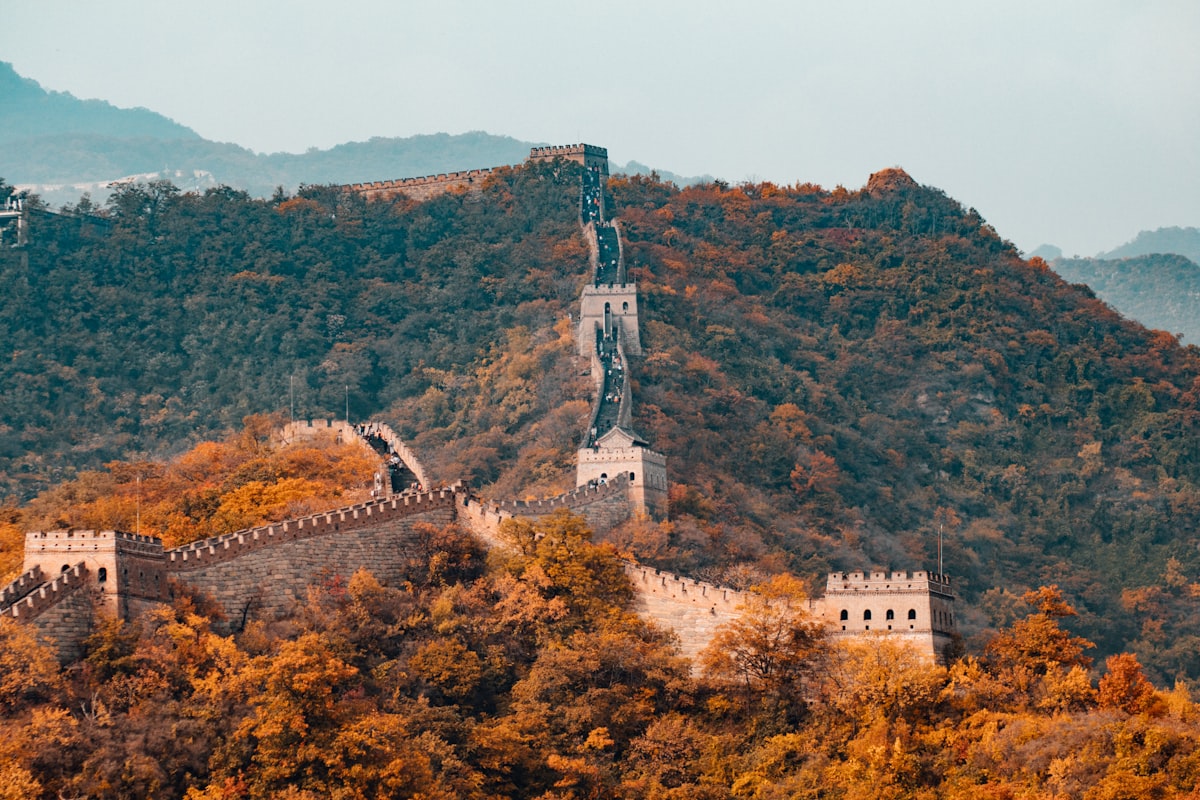
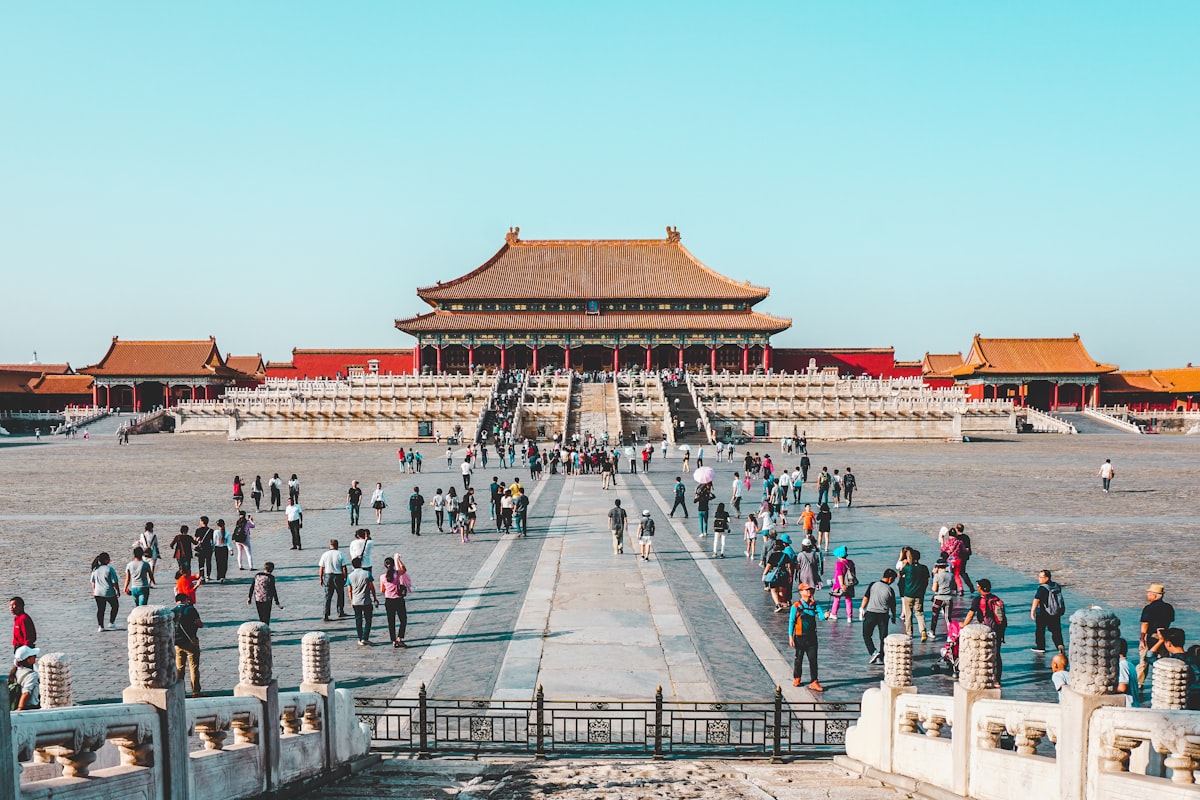
| 1–3 | Beijing | Forbidden City, Tiananmen Square, Great Wall (Mutianyu), Summer Palace, hutong walk, Peking duck dinner | Fly in |
| 4–5 | Xi’an | Terracotta Warriors, Ancient City Wall (bike it), Muslim Quarter food crawl | 🚄 Beijing–Xi’an: 4.5h |
| 6–7 | Shanghai | The Bund (day + night), Yu Garden, French Concession, Shanghai Tower observation deck | ✈️ Xi’an–Shanghai: 2.5h (fly — train is 6h+) |
| 8–10 | Depart Shanghai | Optional day trip to Suzhou (25 min by train) or Hangzhou (1h) | Fly out |
Why this works: Beijing gives you imperial history. Xi’an gives you ancient civilization. Shanghai gives you modern China. Three cities, three Chinas, minimal transit.
Variation (12 days): Add a Suzhou day trip from Shanghai — classical gardens, canal streets, and the best example of Jiangnan water town culture, 25 minutes by high-speed train.
Budget estimate: ¥6,000–10,000/person (~$830–1,380 USD), excluding international flights.
Route 2: Classic China + Nature (14–16 Days)
Best for: First-timers who want both culture AND landscapes. This is the most popular 2-week route.
| Day | City | Key Activities | Transport |
|---|---|---|---|
| 1–3 | Beijing | Forbidden City, Great Wall, Summer Palace, Temple of Heaven | Fly in |
| 4–5 | Xi’an | Terracotta Warriors, City Wall cycling, Muslim Quarter | 🚄 Beijing–Xi’an: 4.5h |
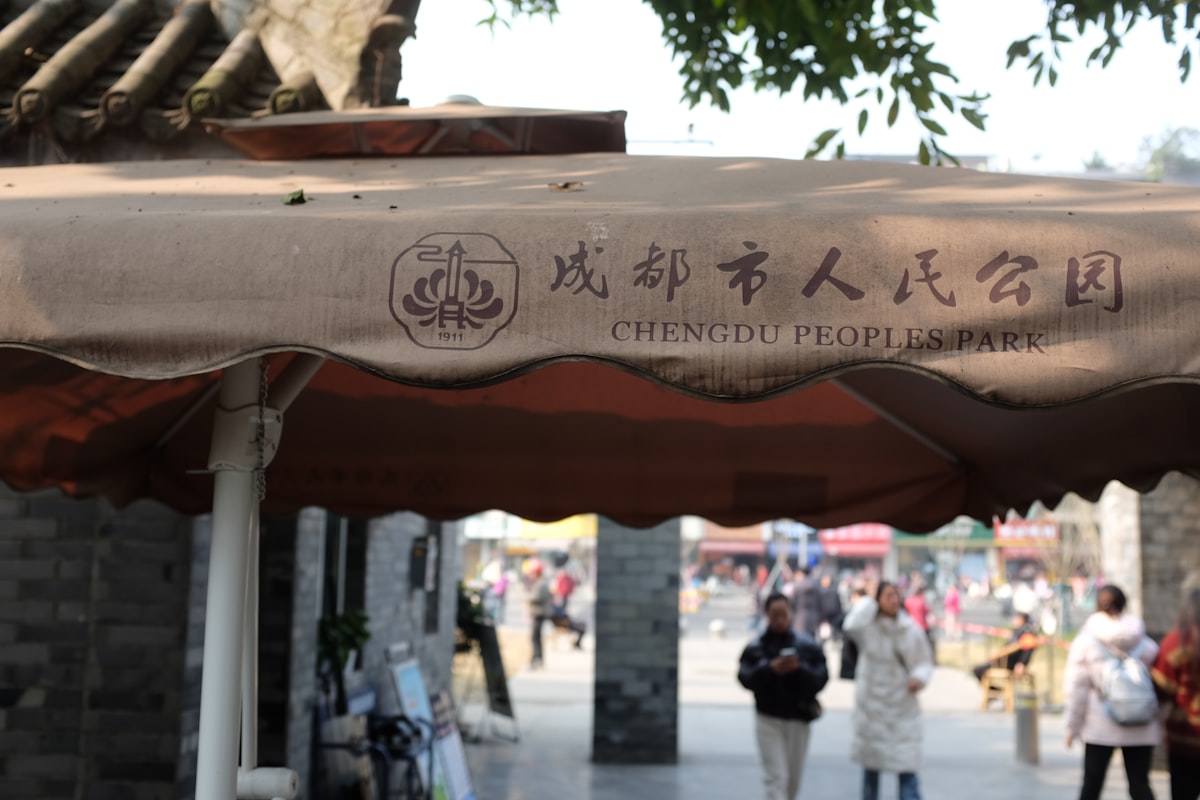
| 6–8 | Chengdu | Giant Panda Base (go early!), People’s Park tea house, Jinli Street, Sichuan hot pot | 🚄 Xi’an–Chengdu: 3.5h |
| 9–12 | Guilin → Yangshuo | Li River cruise, Yangshuo countryside cycling, Longji Rice Terraces | ✈️ Chengdu–Guilin: 1.5h |
| 13–14 | Shanghai | The Bund, French Concession, Nanjing Road, farewell dinner | ✈️ Guilin–Shanghai: 2.5h |
Why this works: The Golden Triangle plus pandas and karst peaks. Chengdu breaks up the urban intensity with tea houses and the world’s cutest black-and-white bears. Yangshuo gives you the postcard China of limestone peaks and rice paddies.
Key tip: Fly Chengdu → Guilin and Guilin → Shanghai. The high-speed connections exist but are long (7h+). With 14 days, you can’t afford a full day on a train.
Budget estimate: ¥8,000–14,000/person (~$1,100–1,930 USD).
Route 3: The Grand Tour (21 Days)
Best for: Travelers with three weeks who want the full spectrum — imperial, ancient, spiritual, natural, and modern.
| Day | City/Region | Key Activities | Transport |
|---|---|---|---|
| 1–3 | Beijing | Forbidden City, Great Wall, Summer Palace, 798 Art District | Fly in |
| 4–5 | Xi’an | Terracotta Warriors, City Wall, Shaanxi History Museum | 🚄 Beijing–Xi’an: 4.5h |
| 6–8 | Chengdu | Panda Base, Leshan Giant Buddha day trip, Jinli Street | 🚄 Xi’an–Chengdu: 3.5h |
| 9–12 | Lhasa (Tibet) | Potala Palace, Jokhang Temple, Sera Monastery debates, Barkhor Street | ✈️ Chengdu–Lhasa: 2.5h |
| 13–16 | Lijiang + Shangri-La | Lijiang Old Town, Jade Dragon Snow Mountain, Tiger Leaping Gorge, Songzanlin Monastery | ✈️ Lhasa–Lijiang: 2h (or via Kunming) |
| 17–18 | Guilin/Yangshuo | Li River, Yangshuo countryside | ✈️ Lijiang–Guilin: 2h |
| 19–21 | Shanghai | The Bund, Suzhou day trip, departure | ✈️ Guilin–Shanghai: 2.5h |
Why this works: It spirals from imperial Beijing westward into ancient Xi’an, up to the Tibetan Plateau, down through Yunnan’s ancient towns, across to Guilin’s karst peaks, and finishes in futuristic Shanghai. Each region feels dramatically different from the last. You’ll never get bored.
⚠️ Tibet note: This route includes Lhasa, which requires a Tibet Travel Permit arranged through a licensed agency. Budget 6+ weeks for permit processing and book your Chengdu→Lhasa flight through your tour operator.
Budget estimate: ¥15,000–25,000/person (~$2,070–3,450 USD). Tibet tour packages add ¥4,000–8,000 to the base.
Route 4: The Ultimate Journey (30 Days)
Best for: The one-month traveler who wants to see it all — and has the stamina for a genuine odyssey.
| Day | City/Region | Key Activities | Transport |
|---|---|---|---|
| 1–4 | Beijing | Forbidden City, Great Wall (Mutianyu), Summer Palace, Temple of Heaven, 798, hutong dinner | Fly in |
| 5–6 | Datong | Yungang Grottoes (UNESCO — 51,000 Buddhist statues), Hanging Monastery | 🚄 Beijing–Datong: 2h |
| 7–8 | Pingyao | Ancient walled city (UNESCO), Rishengchang Draft Bank, Ming-Qing Street | 🚄 Datong–Pingyao: 3h (via Taiyuan) |
| 9–11 | Xi’an | Terracotta Warriors, City Wall, Muslim Quarter, Huashan day hike (optional) | 🚄 Pingyao–Xi’an: 3h |
| 12–13 | Dunhuang | Mogao Caves, Crescent Lake, Mingsha Sand Dunes — camel at sunset | ✈️ Xi’an–Dunhuang: 2.5h |
| 14–16 | Chengdu | Panda Base, Leshan Giant Buddha, People’s Park, Sichuan opera | ✈️ Dunhuang–Chengdu: 2.5h (via Xi’an) |
| 17–20 | Lhasa (Tibet) | Potala Palace, Jokhang Temple, Sera debates, Yamdrok Lake day trip | ✈️ Chengdu–Lhasa: 2.5h |
| 21–23 | Lijiang | Old Town, Tiger Leaping Gorge, Baisha murals | ✈️ Lhasa–Lijiang: 2h |
| 24–26 | Zhangjiajie | Avatar mountains, Tianmen Mountain, Bailong Elevator | ✈️ Lijiang–Zhangjiajie: 2h (via Changsha) |
| 27–30 | Shanghai | The Bund, Suzhou day trip, Hangzhou day trip, departure | ✈️ Zhangjiajie–Shanghai: 2h |
Why this works: It covers all the greatest hits plus the “in-between” gems most travelers skip — Datong’s Buddhist grottoes, Pingyao’s Ming-dynasty bank, Dunhuang’s Silk Road desert. Each transition brings a genuinely different landscape, cuisine, and culture.
Budget estimate: ¥22,000–38,000/person (~$3,030–5,240 USD), including Tibet tour package.
Alternative 30-day (slower pace): Cut Datong/Pingyao/Dunhuang and spend more time in fewer places. 5 days Beijing, 4 days Xi’an, 5 days Yunnan (Kunming → Shangri-La), 5 days Sichuan (Chengdu + Jiuzhaigou), 5 days Guilin/Yangshuo, 4 days Shanghai. Fewer moves, deeper dives, less packing and unpacking.
Route 5: The Silk Road (14–18 Days)
Best for: History buffs, desert lovers, and anyone who wants to stand at the crossroads where Buddhism, Islam, and Chinese civilization collided for 1,500 years.
| Day | City | Key Activities | Transport |
|---|---|---|---|
| 1–3 | Xi’an | Terracotta Warriors, Great Mosque, Muslim Quarter — the Silk Road starts here | Fly in |
| 4–5 | Lanzhou | Gansu Provincial Museum (Flying Horse of Gansu!), Yellow River promenade, hand-pulled beef noodles at the source | 🚄 Xi’an–Lanzhou: 3h |
| 6–8 | Zhangye + Jiayuguan | Zhangye Danxia (Rainbow Mountains) — unreal colored rock formations. Jiayuguan Fort — the Great Wall’s westernmost pass. | 🚄 Lanzhou–Zhangye: 3h. Zhangye–Jiayuguan: 1.5h |
| 9–11 | Dunhuang | Mogao Caves (book 2 weeks ahead!), Mingsha Dunes, Crescent Lake, camel trek at sunset | 🚄 Jiayuguan–Dunhuang: 2.5h |
| 12–14 | Turpan | Jiaohe Ancient City (2,000-year-old ruins), Grape Valley, Karez wells, Flaming Mountains | 🚄 Dunhuang–Turpan: 3.5h |
| 15–17 | Kashgar | Sunday Bazaar (epic), Id Kah Mosque, Old Town alleyways, Karakul Lake day trip on the Pamir Highway | ✈️ Turpan–Kashgar: 2h (or overnight train 13h) |
| 18 | Depart | Fly Kashgar → Urumqi → home (or overland to Kyrgyzstan if continuing) | ✈️ |
Why this works: It follows the actual Silk Road from east to west, with each stop building on the last. The landscapes get progressively more dramatic — from Xi’an’s city walls to Zhangye’s rainbow mountains to Dunhuang’s towering dunes to the Pamir peaks behind Kashgar. The food shifts from Chinese to Central Asian as you travel.
⚠️ Xinjiang note: Xinjiang has no special permit requirements beyond your Chinese visa, but expect police checkpoints. Carry your passport at all times. Internet can be unreliable in remote areas. Kashgar feels like a different country — Uyghur language, Central Asian food, Islamic architecture.
Budget estimate: ¥10,000–18,000/person (~$1,380–2,480 USD).
Route 6: The Southwest Loop — Yunnan + Sichuan (14–18 Days)
Best for: Slow travelers, tea lovers, mountain hikers, and anyone who wants to escape the megacities.
| Day | City/Region | Key Activities | Transport |
|---|---|---|---|
| 1–3 | Chengdu | Panda Base, People’s Park tea house, Jinli Street, Sichuan hot pot. Day trip to Leshan Giant Buddha. | Fly in |
| 4–6 | Kunming | Stone Forest, Green Lake Park, Western Hills. Mild climate year-round — “City of Eternal Spring.” | 🚄 Chengdu–Kunming: 5.5h |
| 7–8 | Dali | Erhai Lake cycling (rent an e-bike), Dali Old Town, Three Pagodas, Zhoucheng tie-dye village | 🚄 Kunming–Dali: 2h |
| 9–11 | Lijiang | Old Town (UNESCO), Jade Dragon Snow Mountain, Baisha murals, Shuhe ancient town | 🚄 Dali–Lijiang: 1.5h |
| 12–14 | Tiger Leaping Gorge + Shangri-La | Two-day gorge hike (one of China’s best), Songzanlin Monastery, Dukezong Ancient Town | 🚗 Lijiang–Tiger Leaping Gorge: 2h. Gorge–Shangri-La: 2.5h |
| 15–16 | Return | Bus/train back to Lijiang. Fly Lijiang → Kunming → home (or Lijiang → Chengdu → home). | ✈️ Lijiang–Kunming: 1h |
Why this works: It’s a slow descent from Sichuan’s spicy intensity into Yunnan’s laid-back plateau culture. Each town has a distinct ethnic identity — Han, Bai (Dali), Naxi (Lijiang), Tibetan (Shangri-La). The climate is forgiving year-round. The pace is gentler than the eastern megacity routes.
Budget estimate: ¥8,000–14,000/person (~$1,100–1,930 USD). This is the most budget-friendly multi-week route — Yunnan guesthouses are cheap, and train connections are short and affordable.
High-Speed Train vs. Flight: The Cheat Sheet
| Route | Train Time | Flight Time | Verdict |
|---|---|---|---|
| Beijing ↔ Xi’an | 4.5h | 2h (+2h airport overhead) | 🚄 Train wins (city-center to city-center) |
| Beijing ↔ Shanghai | 4.5h | 2h | 🚄 Train wins |
| Xi’an ↔ Chengdu | 3.5h | 1.5h | 🚄 Train wins |
| Shanghai ↔ Hangzhou | 1h | Not worth flying | 🚄 Train, obviously |
| Chengdu ↔ Kunming | 5.5h | 1.5h | ✈️ Fly (train is too long) |
| Xi’an ↔ Shanghai | 6h+ | 2.5h | ✈️ Fly |
| Chengdu ↔ Guilin | 7h+ | 1.5h | ✈️ Fly |
| Lhasa ↔ anywhere | N/A (train exists but slow) | 2–3h | ✈️ Fly (train is scenic but takes 21h+ to Xining) |
| Kunming ↔ Dali | 2h | Not worth flying | 🚄 Train |
| Dunhuang ↔ Turpan | 3.5h | — | 🚄 Train (limited flights) |
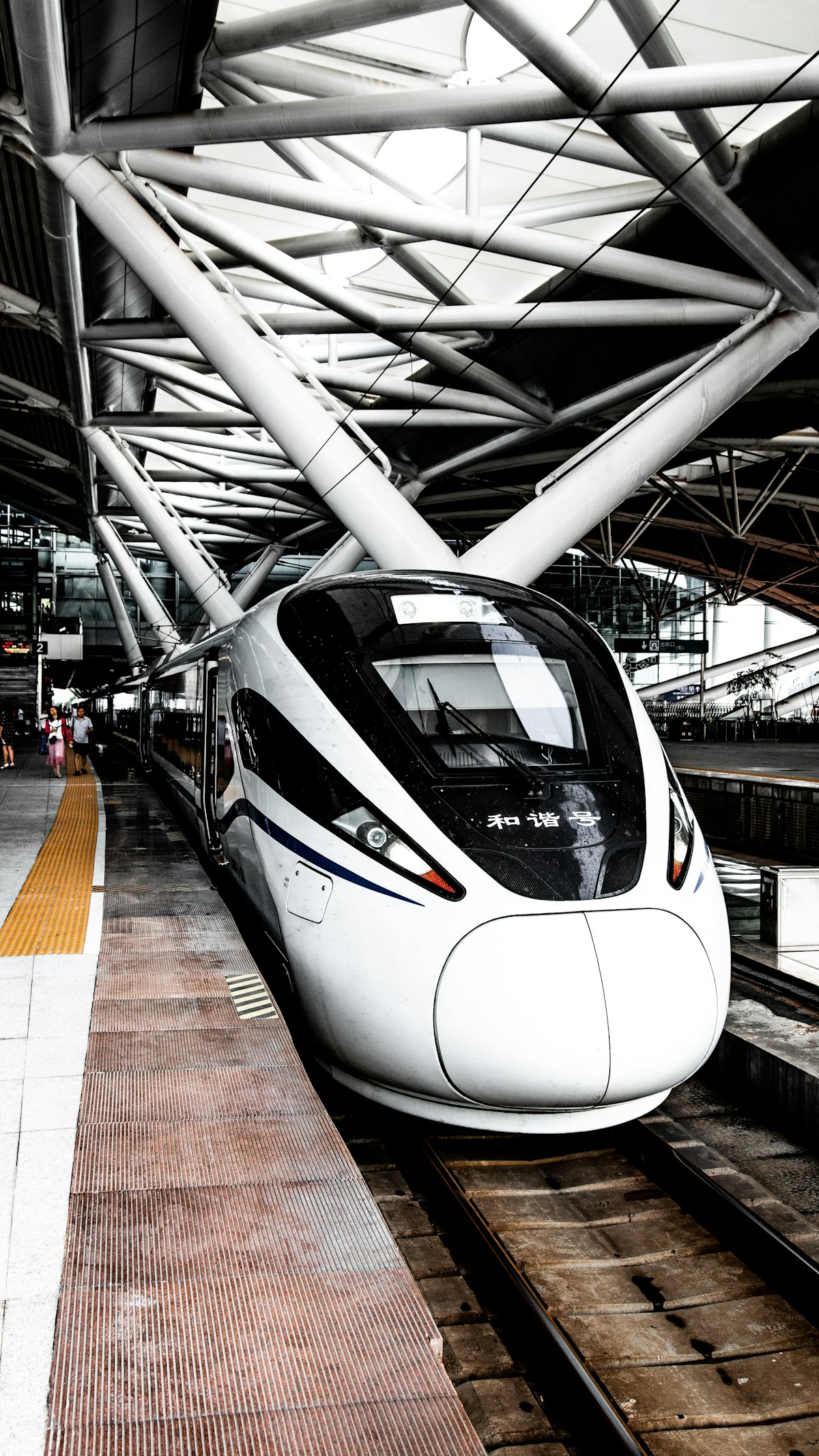
Rule of thumb: Train ≤ 5 hours → take the train. Train > 5 hours → fly. The high-speed rail stations are in city centers (unlike airports), and there’s no security line like TSA — you scan your ticket and walk through. It’s faster than you think.
Booking Tips
Trains
- Book on Trip.com (English, accepts foreign cards) or 12306.cn (official, Chinese-only, slightly cheaper)
- Tickets go on sale 15 days before departure
- For popular routes (Beijing–Xi’an, Xi’an–Chengdu), book the day tickets release
- Second class is perfectly comfortable — reserved seats, AC, power outlets. First class has more legroom. Business class is lie-flat and unnecessary unless you’re 6’4” or recovering from surgery.
- At the station: arrive 45 minutes early, have your passport ready, go through a quick security scan. The gate closes 5 minutes before departure — be on time.
Flights
- Book on Trip.com or Ctrip
- Check baggage allowance. Chinese domestic flights often include only 20kg checked baggage — read the fine print
- Budget airlines (Spring Airlines, etc.) charge for everything. Full-service (Air China, China Southern, China Eastern) include baggage and a meal
- Lhasa flights: Your Tibet Travel Permit must be arranged before booking. The airline checks it at check-in.
Hotels
- Book on Trip.com (best English interface for China)
- All hotels require your passport at check-in. Photocopies don’t work.
- Budget guesthouses (¥100–200) in smaller towns may not have English-speaking staff — have your booking confirmation screenshot ready
What This All Costs
Here are rough per-person budgets for each route, excluding international flights. Mid-range = comfortable hotels, mix of trains and flights, eat well.
| Route | Duration | Budget (¥) | USD |
|---|---|---|---|
| Golden Triangle | 10–12 days | 6,000–10,000 | $830–1,380 |
| Classic + Nature | 14–16 days | 8,000–14,000 | $1,100–1,930 |
| Grand Tour | 21 days | 15,000–25,000 | $2,070–3,450 |
| Ultimate Journey | 30 days | 22,000–38,000 | $3,030–5,240 |
| Silk Road | 14–18 days | 10,000–18,000 | $1,380–2,480 |
| Southwest Loop | 14–18 days | 8,000–14,000 | $1,100–1,930 |
These numbers cover: accommodation, food, intercity transport, attraction tickets, and local transit. They don’t cover: international flights, souvenirs, travel insurance, visa fees, or Tibet tour packages (add ¥4,000–8,000 for a Lhasa package).
Choosing Your Route: The Decision Matrix
| You Want… | Pick This Route |
|---|---|
| The essential China, efficiently | Route 1: Golden Triangle (10–12 days) |
| Culture + landscapes, the classic | Route 2: Classic + Nature (14–16 days) |
| Everything in one trip | Route 3: Grand Tour (21 days) |
| The odyssey of a lifetime | Route 4: Ultimate Journey (30 days) |
| Desert, history, and Central Asia vibes | Route 5: Silk Road (14–18 days) |
| Laid-back mountain towns and tea | Route 6: Southwest Loop (14–18 days) |
Final Honest Take
Planning a multi-week China trip is a puzzle. The pieces are incredible — ancient capitals, misty peaks, desert dunes, futuristic skylines, dumplings, pandas, monastery debates, and tea houses where time stops. But fitting them together without burning out takes discipline.
The single best piece of advice: Pick three anchors. Beijing, Xi’an, and one wildcard — Chengdu for pandas, Guilin for karst peaks, Lijiang for mountain towns, Zhangjiajie for Avatar mountains. Build your route around those three. Add buffer days between them. Let the trip breathe.
The travelers who enjoy China most aren’t the ones who see the most — they’re the ones who stop rushing long enough to sit in a tea house while the afternoon light changes, or follow the smell of cumin lamb skewers down an alley in Xi’an’s Muslim Quarter, or watch the mist roll through Yangshuo’s karst peaks from a bicycle on an empty country road.
China rewards slow travelers. Plan loose. Leave room for the unexpected. It will find you.
Planning a China trip? Have questions about a specific route? Want help customizing an itinerary for your dates and interests? Reach out — I geek out over this stuff.