Ili: Xinjiang's Alpine Paradise — Sayram Lake, Nalati Grasslands & Kazakh Yurts (2026)
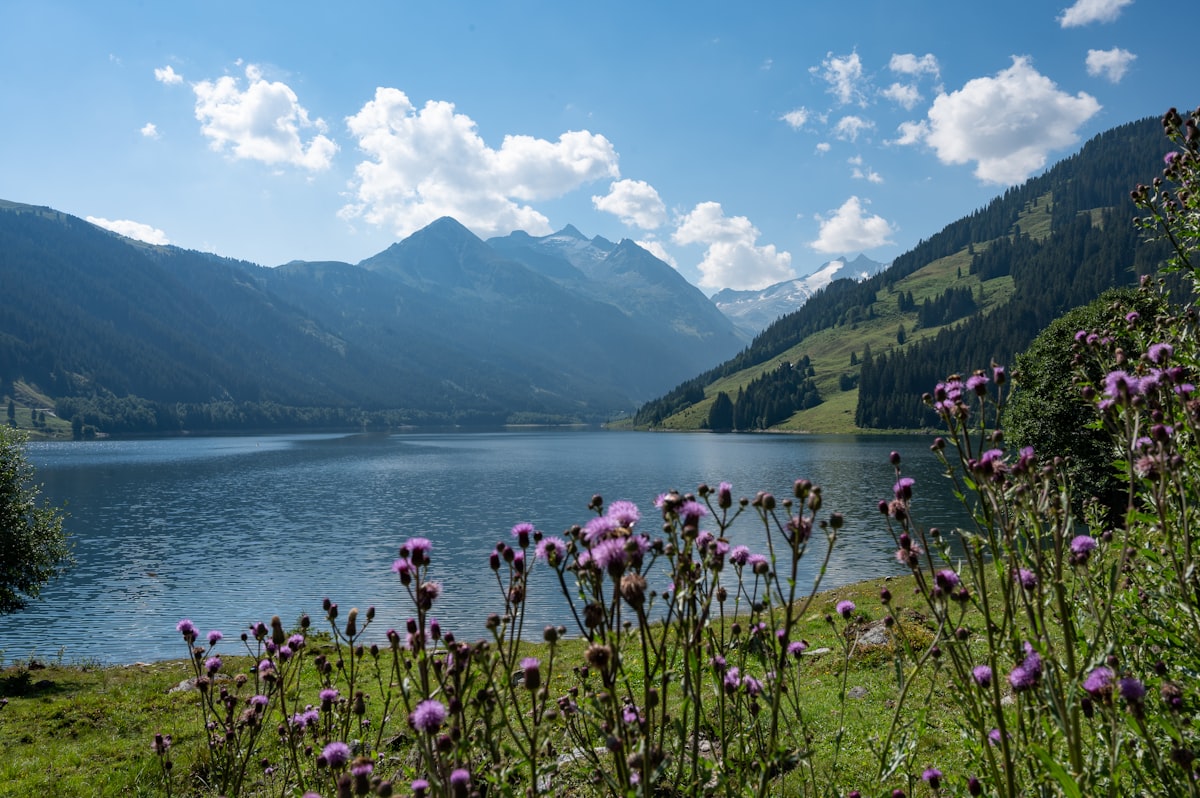
You’ve seen the photos: a lake so blue it looks Photoshopped, ringed by snow peaks and wildflower meadows. Kazakh herders on horseback, golden eagles on their arms. Yurts dotting a grassland that stretches to the horizon. This isn’t Switzerland. It isn’t Mongolia. It’s Ili (伊犁) — northern Xinjiang’s alpine heart.
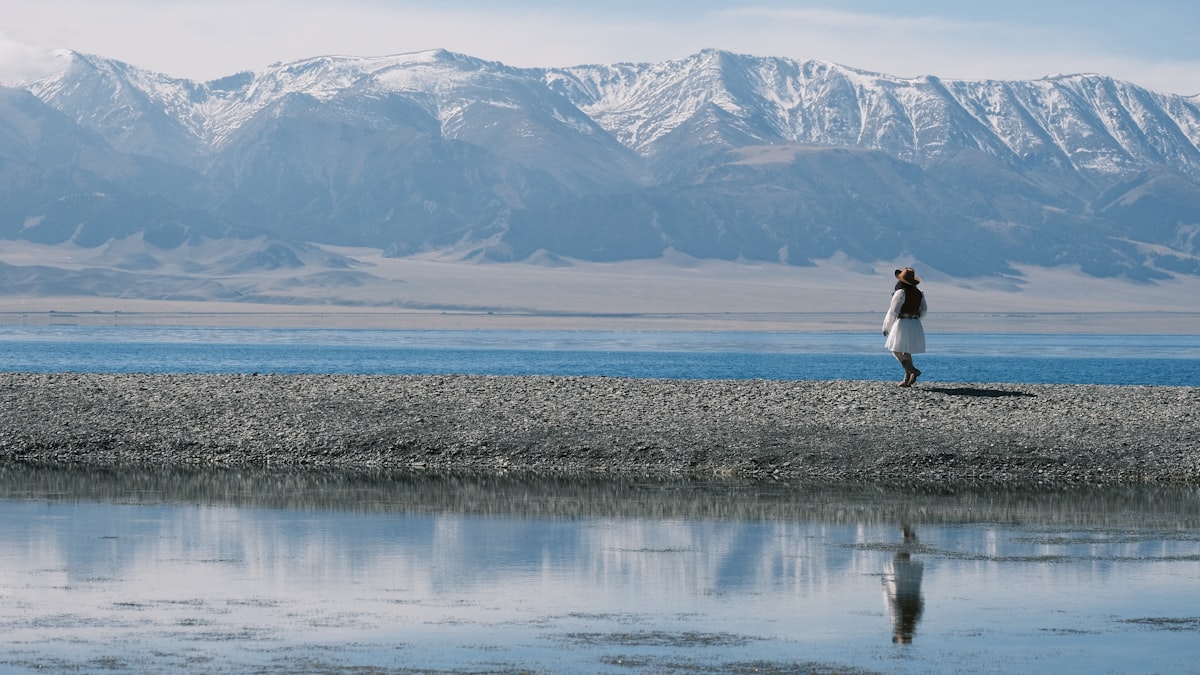
Most travelers come to Xinjiang for Kashgar and the Silk Road. But those who add Ili describe it as the most beautiful place they’ve ever seen. This guide covers how to experience it: the lake, the grasslands, the Kazakh culture, and the road that ties them together.
If you’re planning your first Xinjiang trip, start with our Xinjiang first-timer guide. For getting around, our China high-speed rail guide covers Urumqi connections, and our China mobile payment guide covers paying your way through the northwest.
Ili vs Kashgar — The Two Xinjiangs
Xinjiang is vast — 1.66 million sq km, roughly the size of Iran. It splits naturally into two travel zones, and they are nothing alike.
| Southern Xinjiang (Kashgar) | Northern Xinjiang (Ili) | |
|---|---|---|
| Vibe | Ancient Silk Road, desert, bazaars | Alpine Switzerland-meets-Mongolia |
| People | Uyghur (primarily) | Kazakh (primarily) |
| Landscape | Desert, Pamir Plateau, KKH highway | Lakes, grasslands, Tianshan peaks |
| Activities | Tea houses, bazaars, road trip | Horseback riding, yurt stays, lake drives |
| Best for | Culture, history, epic drives | Nature, photography, relaxation |
| Season | May–October | Late May–June, September |
| Minimum time | 5–7 days | 3–5 days |
The full Xinjiang experience needs both. But if you only have time for one: Kashgar wins on culture, Ili wins on scenery. If you have 12–16 days, do both — fly Kashgar to Yining (1.5 hours, ¥500–800).
Do Kashgar first — the southern culture and Karakoram Highway — then Ili as the relaxing, jaw-dropping finale.
Yining (伊宁) — Your Ili Base
Yining is a Kazakh-influenced city of roughly 800,000, the capital of Ili Kazakh Autonomous Prefecture. It’s the gateway — you’ll fly in, base yourself here, and radiate outward. The city itself is worth a day. Don’t skip it.
Liuxing Street (六星街 / Six-Star Street)
A radial street layout built in the 1930s by Russian engineers — six streets radiating from a central hexagonal square. Blue-washed houses, plane trees, Kazakh cafés with dombra music, and Russian bakeries selling da lie ba (大列巴, rye bread).
This is the most atmospheric neighborhood in Yining. Walk in late afternoon when the light hits the blue walls at an angle. Eat at a Kazakh courtyard restaurant. If you hear dombra music drifting from a doorway — follow it.
| Detail | Info |
|---|---|
| Entry | Free |
| Best time | 2 PM–6 PM for wandering, evening for folk performances |
| Suggested time | 2–3 hours |
| Don’t miss | Alexander Accordion Museum (800+ antique accordions), Gulandanmu Ice Cream (¥10, add your own jam and nuts), evening folk music on the central stage |
Kazanqi Folk Tourism Area (喀赞其)
Traditional Uyghur neighborhood nicknamed the “Blue Fairytale Town.” Blue-painted gates, grape trellises, cobbled lanes, and courtyard houses that open into gardens of pomegranate trees and roses.
| Detail | Info |
|---|---|
| Entry | Free |
| Best time | Morning (9–11 AM) — soft light, locals opening doors, chimney smoke curling |
| Transport | Walk, or hire a horse cart (hadik) for ¥30–50 for a neighborhood tour |
| Don’t miss | Handmade ice cream from street carts (¥3–5), pigeon feeding at the entrance (grain ¥5/bag) |
Photo tip: Go deeper than the main entrance. The side alleys where elders sit by blue doors make the best frames. Wear white or yellow for contrast against the blue walls.
Where to Eat in Yining
| Dish | Description | Price |
|---|---|---|
| Naren (纳仁) | Kazakh-style lamb stew with wide hand-pulled noodles | ¥35–55 |
| Qazy noodles (马肠子拉条子) | Hand-pulled noodles with smoked horse meat sausage — the Ili signature dish | ¥25–40 |
| Kazakh milk tea (奶茶) | Salty, rich, often served with baoersak (fried dough). Not the sweet bubble tea you know. | ¥5–10 |
| Ili apricots | In season June–July. Buy from street vendors. Best apricots in China. | ¥10–20/kg |
| Samsa (烤包子) | Crispy lamb-and-onion baked buns | ¥3–5 each |
| Handmade ice cream | Creamy, stretchy, served with fig jam and dried apricots | ¥5–10 |
Where to Stay in Yining
| Area | Vibe | Price/Night |
|---|---|---|
| Liuxing Street area | Boutique guesthouses, most atmospheric, walkable | ¥300–600 ($42–84) |
| City center | Chain hotels, most convenient for transport | ¥250–500 ($35–70) |
| Kazanqi area | Uyghur courtyard homestays, cultural immersion | ¥200–400 ($28–56) |
Yining has several international-friendly hotels. Confirm passport acceptance when booking — it’s generally not an issue, but verify. Book 1–2 weeks ahead in peak season (July–August).
Sayram Lake (赛里木湖) — The Complete Guide
What It Is
A 90km-circumference alpine lake at 2,073m elevation, nicknamed “The Last Tear of the Atlantic” because it’s the furthest inland point on Earth still influenced by moisture from the Atlantic Ocean. The water is unlike anything you’ve seen — it changes color with the light, cycling from deep sapphire to emerald green to pale turquoise, all in a single afternoon.
On the far shore: the snow-capped Tianshan peaks. On the near shore, in June and July: carpets of edelweiss, wild roses, and purple irises stretching to the water’s edge. Swans at the southwest corner. Eagles overhead. And somehow, even in peak season, you can walk 10 minutes from any parking area and find a stretch of shoreline with nobody on it.
Getting There
130km from Yining, roughly 2 hours by car. No direct public bus service — you need private transport.
| Option | Details | Price |
|---|---|---|
| Hire car with driver (day trip) | Hotel can arrange. Round trip, driver waits while you explore. | ¥600–800/day |
| Day tour group | Booked via Trip.com, Ctrip, or your hotel. Shared minibus. | ¥200–400/person |
| Self-drive | Requires Chinese driver’s license for foreigners. Complicated but doable. | Car rental ¥300–500/day |
Entrance Fees & Tickets (2026)
| Ticket Type | Peak Season (Apr 25–Oct 15) | Off-Season (Oct 16–Apr 24) |
|---|---|---|
| Entrance only | ¥70 | ¥35 |
| Shuttle bus (hop-on hop-off, 12 stops) | ¥75 | Reduced |
| Combined (entrance + shuttle) | ¥145 | ¥110 |
| Self-drive package (valid 24 hours) | ¥145/car | ¥110/car (48 hours) |
Real-name reservation required. Book via the official “Sayram Lake Scenic Area” WeChat mini-program, up to 3 days in advance during peak season. Discounts: children under 6 or under 1.3m free, seniors 65+ free, students 50% off, active military/police free.
Scenic area hours: visitor center 6 AM–11 PM, ticket windows 8 AM–9 PM, shuttle buses 8 AM–8 PM (summer).
How to Visit — The 90km Circuit
The lake has a ring road — you drive, cycle, or shuttle around it, stopping at viewpoints. The full circuit with photo stops takes 2–4 hours by car.
The east gate (main entrance) is where most tour buses enter. Drive counterclockwise and keep going. The best views are on the west and south shores — away from the entrance, fewer buses, and the afternoon light on the snow peaks from the south shore is spectacular.
Cycling the lake: Rent a bicycle at the main gate (¥50–100/day). The full 90km circuit is ambitious — a better plan: drive to the west shore, park, then cycle a 20–30km section. The road is flat, well-paved, with dedicated bike lanes.
Best Photo Spots
| Spot | Best Time | What You Get |
|---|---|---|
| South shore at sunrise | 6–7:30 AM (summer) | Sun hits the snow peaks first, lake turns molten gold |
| West shore at midday | 11 AM–2 PM | Deepest turquoise color, wildflowers in foreground (June) |
| Lover’s Tree (情人树) | Late afternoon | Two intertwined pines on a grassy slope, lake behind |
| Swan Bay (天鹅湾) | Morning | Swans at the southwest corner in spring |
| Guozigou Bridge viewpoints | Late afternoon | The bridge curves through the valley — drone territory if you have one (must register at East Gate police station, 120m height limit) |
Camping & Yurts at Sayram Lake
Several designated camping areas around the lake. Bring your own gear or rent a yurt for ¥200–400/night (2–4 people). Yurts have basic bedding and stove heating. Book ahead in July–August.
Waking up to Sayram Lake at sunrise from a lakeside yurt — mist rising from the water, snow peaks turning pink, zero people — is the single best Ili experience you can have.
Best Season for Sayram Lake
| Period | Verdict |
|---|---|
| Late May – June | BEST. Wildflowers at peak. Snow still on peaks. Greenest grass. The postcard. |
| July – August | Good but busy. Flowers fading. Peak domestic tourism. Book everything ahead. |
| September | Beautiful autumn colors, fewer crowds, lake still spectacular. Golden grass + turquoise water. |
| October | Variable. Snow possible. The lake freezes by late October. |
| November – April | FROZEN. The lake freezes over completely. Ice formations are spectacular — blue ice, pressure ridges, bubble ice — but it’s bitterly cold (-15 to -25°C) and services are minimal. For winter photographers only. |
Nalati Grassland (那拉提草原) — The Complete Guide
What It Is
“Sky Grassland” (空中草原) at 2,200–2,800m, spanning 1,800 sq km. The highest concentration of Kazakh people in the world — it holds a Guinness World Record. Rolling green meadows, snow peaks, pine forests, and Kazakh yurt camps with smoke rising from stovepipes. If you’ve seen a photo of “Xinjiang grasslands with horses” — it’s probably Nalati.
Getting There
270km from Yining, roughly 4 hours by car. It sits roughly 80km from the Duku Highway intersection.
| Option | Details | Price |
|---|---|---|
| Hire car with driver (2 days) | Day 1: drive out, explore, overnight. Day 2: morning, return. | ¥1,000–1,400 total |
| 2-day tour from Yining | Booked via Trip.com, Ctrip, or hotel. Includes transport + accommodation. | ¥600–1,200/person |
| Self-drive (with self-drive ticket) | ¥300/person self-drive ticket required, plus ¥95 base ticket. Limited daily quota — book via “智游那拉提” mini-program. | See below |
Entrance Fees — Read This Carefully
The pricing structure trips people up. The base ticket gets you into the scenic area. But you can’t self-drive into the core zones — shuttle buses are mandatory unless you buy the self-drive ticket. The shuttle fees nearly double or triple the ticket price. Budget accordingly.
| Item | Price | Notes |
|---|---|---|
| Base ticket (48 hours valid) | ¥95 | Multiple entries allowed within 48 hours |
| Sky Grassland shuttle (空中草原) ⭐ | ¥40 round-trip | The essential one |
| Valley Grassland shuttle (河谷草原) | ¥24 round-trip | Pleasant but skippable |
| Panlong Valley shuttle (盘龙谷) | ¥40–60 round-trip | Scenic mountain drive |
| Xuelian Valley (雪莲谷) | ¥60 | Glacier-and-meadow extension from Sky Grassland |
| Self-drive ticket | ¥300/person | Replaces shuttle buses. Limited daily quota. Must pre-book. |
| Total for all three shuttle zones | ¥159–179 + ¥95 base = ¥254–274 | Don’t buy all three unless you have 2 full days |
Scenic area hours: roughly 8:30 AM–7 PM (extended in peak summer). Shuttle buses stop running around 6 PM — don’t get stranded at the far end.
The Three Zones — Which to Choose
| Zone | Elevation | What You Get | Best For | Verdict |
|---|---|---|---|---|
| Sky Grassland (空中草原) ⭐ | 2,200m+ | Expansive rolling meadows, snow peak backdrop, yurt camps, horseback riding, the “internet-famous bridge” | Everyone | THE essential zone. This is the Nalati you came for. |
| Valley Grassland (河谷草原) | 1,500–2,000m | River valley, forest, gentler terrain | Families, elderly, casual walkers | Pleasant but not dramatic. Skip if short on time. |
| Panlong Valley (盘龙谷) | 2,000–2,500m | Winding mountain road through pine forest and canyons | Photographers, drivers | Scenic drive. Combine with Sky Grassland if time permits. |
Bottom line: Buy the base ticket (¥95) + Sky Grassland shuttle (¥40) = ¥135. That’s your core experience. Add Panlong Valley (another ¥40–60) if you have a full second day.
The “Internet-Famous Bridge” (网红桥)
A small wooden bridge spanning a stream in the Sky Grassland, with snow peaks in the background. Went viral on Chinese social media. Expect a 30–60 minute queue for a photo in peak season.
Go early morning (before 9 AM) or skip it. There are equally beautiful spots with zero queue elsewhere in the grassland — walk 15 minutes in any direction and you’ll find them.
Kazakh Yurt Experience at Nalati
Several yurt camps operate in the Sky Grassland zone. This is not a hotel — it’s a felt tent with thick mats for sleeping, a stove for heating, and a Kazakh family who will feed you lamb stew and play dombra after dinner.
| Detail | Info |
|---|---|
| Price | ¥200–600/night for 2–6 people. Larger yurts cost more. |
| What’s included | Felt mats, basic bedding, stove heating. Dinner (lamb stew, naan, milk tea) often included — confirm when booking. |
| Bathroom situation | Basic. Shared outhouse facilities. Temper your expectations. |
| Booking | Via Trip.com, Ctrip, or your Yining hotel. Book 1–2 weeks ahead in July–August and during Chinese holidays. They sell out. |
The evening you’ll remember: Communal dinner with the Kazakh family around the stove. Someone will have a dombra — the two-stringed instrument that sounds like a galloping horse and a lament at the same time. They’ll offer you kumis (马奶子 — fermented mare’s milk): slightly alcoholic, sour, effervescent. An acquired taste. Accept a small cup to be polite. You don’t have to finish it.
Morning: Watch the herder release horses from the corral at sunrise. Steam rises from the horses in the cold morning air. Snow peaks turn pink. The grassland stretches green and empty. This is the shot.
Horseback Riding at Nalati
| Duration | Price | What You Get |
|---|---|---|
| 1 hour | ¥80–150 | Short loop around the yurt camp area. Good taste of the experience. |
| Half day (3–4 hours) | ¥300–500 | To a high ridge and back. Views that day-trippers don’t reach. |
| Full day | ¥600–800 | Deep into remoter valleys. Extraordinary if you have the time. |
Kazakh herders lead the rides. They speak very limited Mandarin — and no English — but they’re experienced, friendly, and you’ll communicate through gestures. No riding experience needed for the short routes. The horses are calm, sure-footed mountain horses, and the herder leads yours on a rope. The full-day option is a different level — you’ll see valleys that no day-tripper reaches.
What to wear: Long pants, closed shoes. They’ll provide a basic helmet. Bring sunscreen — there’s no shade at 2,400m.
Best Season for Nalati
| Period | Verdict |
|---|---|
| Late May – June | BEST. Peak green. Wildflowers. Snow on peaks. This is the postcard Nalati. |
| July – August | Good but CROWDED. Peak domestic tourism. Book yurts 1–2 weeks ahead. |
| September | Golden autumn. Grass turns gold, crisp air, fewer crowds. Different from June — equally beautiful in its own way. |
| October | Late autumn. Grass browning. Still open but past peak. Snow possible. |
| November – April | CLOSED. Heavy snow. |
The Duku Highway (独库公路) — If It Fits
“China’s most beautiful road.” 561km across the Tianshan Mountains from Dushanzi (north of Urumqi) to Kuqa (southern Xinjiang). Open roughly 4 months per year. “Four seasons in one day” is not a slogan — you start in summer grasslands, climb past glaciers at 3,400m with 5-meter snow walls on both sides of the road, and descend into red-rock canyons that look like Mars.
2026 Update: The Duku Highway reopened June 1, 2026 for the season. This year, due to concurrent construction on the G3033 Duku Expressway and the Yining–Aksu Railway, the highway operates on restricted hours: 8 AM–7 PM daily (extendable to 9 PM at certain sections based on traffic and weather). Entrances at Nalati and Jolma close to vehicles after 7 PM.
How It Connects to Ili
The Duku Highway passes through Nalati at roughly the 220km mark from Dushanzi. If you’re driving the full length north-to-south, Nalati is the natural overnight stop. If you’re based in Yining and doing Ili only, you can drive a section north from Nalati toward the Hashilegen Pass (哈希勒根达坂) — the 3,400m alpine pass where snow walls tower 3–5 meters high even in July — then return.
| Option | Details | Time Needed |
|---|---|---|
| Full Duku Highway (north to south) | Dushanzi → Jolma → Nalati → Bayanbulak → Kuqa | 2 days with overnight in Nalati or Bayanbulak |
| Ili section only (out-and-back) | Nalati → Hashilegen Pass → return to Nalati | 4 hours round trip + photo stops |
| Full Xinjiang loop | Urumqi → Dushanzi → Duku full length → Kuqa → (fly or drive) Kashgar | 10–14 days total |
Vehicle Restrictions
7-seat vehicles only (including driver). No buses. No trucks. This limits tour group access — a blessing. Foreigner self-drive is complicated: you need a Chinese driver’s license and a rental agency that accepts it. The most practical option remains hiring a private car with driver.
Kazakh Culture — What to Know
Kazakhs are ethnically and linguistically distinct from Uyghurs and Han Chinese. They speak a Turkic language (Kazakh), were traditionally nomadic pastoralists, and the culture is built around horses, eagles, and hospitality.
The Eagle Hunting Tradition (猎鹰)
Golden eagles trained to hunt foxes and wolves. Some herders near Nalati still practice this — you may see demonstrations with eagles perched on leather-armored arms. Ask before photographing. These are working birds, not props.
Yurt Etiquette
If invited into a yurt for tea — and you will be — accept. It’s not a sales pitch. It’s Kazakh hospitality, which is genuine and generous.
| Do | Don’t |
|---|---|
| Remove shoes at the entrance | Step on the threshold (it’s disrespectful) |
| Sit cross-legged on the felt mats | Point your feet at anyone or the stove |
| Accept food and drink with your RIGHT hand | Use your left hand for eating or passing things |
| Accept at least a small cup of kumis or milk tea | Refuse outright — take a sip, set it down |
| Say “Rahmet” (thank you in Kazakh) | Overstay. An hour is right. |
If served meat, the guest of honor may be offered the sheep’s head or eye — a gesture of deep respect. If you’re uncomfortable, touch it to your lips (a traditional gesture of acknowledgment) and pass it to the host. They’ll understand.
Dombra Music
The two-stringed instrument is the soul of Kazakh culture. Melancholic, rhythmic, hypnotic. If a herder plays dombra by the stove in the evening — you’re having the authentic experience. No tour company can package this. It just happens when you’re there.
Useful Kazakh Phrases
| Phrase | Kazakh | When to Use |
|---|---|---|
| Hello | Salemetsiz be | Greeting anyone |
| Thank you | Rahmet | After tea, food, directions |
| Goodbye | Sau bol | Leaving a yurt or shop |
Using these, even badly, makes people smile. Kazakhs in China’s border regions are often overlooked by tourism — genuine acknowledgment of their culture goes a long way.
A Note on “Aesthetic Fatigue”
One traveler’s warning: after three grasslands, they all start looking the same. This is real. It has a name on Chinese social media: 审美疲劳 (aesthetic fatigue).
If you do Sayram Lake + Nalati + Bayanbulak + Kanas in one trip, by grassland #4 you’ll be taking photos of your lunch instead of the scenery.
The move: Pick two grassland experiences maximum. Sayram Lake (alpine lake + mountain backdrop) is different enough from Nalati (rolling grassland + yurts + horses) that they complement each other without overlapping. The lake and the grassland feel like different worlds despite being 4 hours apart.
Adding more grasslands — Bayanbulak (further south on the Duku), Kanas (northernmost Xinjiang, 12+ hours from Yining), Qiongkushitai (remote Ili valley) — delivers diminishing returns. Save Kanas for a dedicated northern Xinjiang trip. Save Bayanbulak if you’re doing the full Duku Highway.
Sample 5-Day Ili Itinerary
Day 1: Arrive Yining
- Land at Yining Airport. Check into your hotel (Liuxing Street area recommended).
- Afternoon: Liuxing Street — walk the hexagonal layout, blue houses, plane trees. Kazakh lunch.
- Late afternoon: Kazanqi folk area — blue alleys, horse cart ride, street ice cream.
- Evening: Kazakh dinner with dombra music (ask your hotel for recommendations). Ili River sunset if the weather holds.
Day 2: Sayram Lake Day Trip
- Depart Yining by 8 AM. Arrive Sayram Lake by 10 AM.
- Drive the full 90km circuit counterclockwise. Stop at south shore, Lover’s Tree, west shore wildflower meadows.
- Lunch at a lakeside food stall or bring supplies.
- Afternoon: west shore cycling or hiking. Swan Bay if spring.
- Sunset at the south shore.
- Option A: Return to Yining (arrive ~10 PM). Option B: Stay in a lakeside yurt (book ahead).
Day 3: Drive to Nalati
- Depart Yining by 8 AM. Drive 4 hours to Nalati.
- Arrive by noon. Buy base ticket + Sky Grassland shuttle.
- Afternoon: Sky Grassland. Walk the meadows. Find the bridge (or skip it). First horseback ride.
- Evening: Check into your Kazakh yurt. Lamb stew. Dombra music. Kumis. Stars at 2,400m with zero light pollution.
Day 4: Nalati Sunrise + Duku Highway Section
- Sunrise: Watch the herder release horses. Photograph the morning light on the grassland.
- Breakfast at the yurt (milk tea, naan).
- Late morning: Drive north on the Duku Highway toward the Hashilegen Pass (3,400m). Snow walls in summer. Stop at the tunnel. Walk on the snow.
- Return toward Nalati by early afternoon.
- Drive back to Yining (arrive evening).
Day 5: Yining Morning + Depart
- Morning: Yining morning market — Ili apricots (June–July), dried fruits, spices.
- Fly out, or connect to Kashgar (1.5-hour flight, ¥500–800).
If Combining with Kashgar
Do Kashgar first (5–7 days: Kashgar city, Karakoram Highway to Tashkurgan, Taklamakan Desert edge). Fly Kashgar → Yining (1.5 hours). Then the Ili itinerary above. The contrast — desert bazaars to alpine meadows — is part of the magic.
Cost Breakdown
5-Day Ili Itinerary (per person, 2 people sharing)
| Item | Budget | Mid-Range |
|---|---|---|
| Hotels (4 nights Yining) | ¥800–1,200 | ¥1,200–2,000 |
| Nalati yurt (1 night) | ¥200–300 | ¥300–600 |
| Sayram Lake day trip (car + driver) | ¥300–400 | ¥300–400 |
| Nalati trip (car + driver, 2 days) | ¥500–700 | ¥500–700 |
| Sayram Lake entrance (¥70) + shuttle (¥75) | ¥145 | ¥145 |
| Nalati base ticket (¥95) + Sky Grassland shuttle (¥40) | ¥135 | ¥135 |
| Optional Duku section (share of driver cost) | Included above | Included above |
| Horseback riding (half day) | ¥300 | ¥300–500 |
| Meals (5 days) | ¥500–750 | ¥750–1,250 |
| Total (per person) | ¥2,880–3,930 | ¥3,630–5,730 |
| Total (USD) | $400–550 | $510–800 |
If traveling solo, car + driver costs double per person (no one to split with). A solo Ili trip runs closer to ¥5,000–7,500 ($700–1,050).
Kashgar + Ili Combo (12–14 days, per person)
| Item | Cost (¥) | Cost ($) |
|---|---|---|
| Ili 5 days (from above) | ¥2,880–5,730 | $400–800 |
| Kashgar 6–7 days | ¥3,500–6,000 | $490–840 |
| Internal flight (Kashgar ↔ Yining) | ¥500–800 | $70–112 |
| Total | ¥6,880–12,530 | $960–1,750 |
Common Mistakes
| Mistake | Why It’s a Problem | Do This Instead |
|---|---|---|
| Visiting Nalati in July–August without booking yurts ahead | Yurts sell out. You sleep in a hotel 40km away and miss the sunrise. | Book 1–2 weeks ahead. Trip.com or your Yining hotel can arrange it. |
| Expecting to self-drive into Nalati’s core zones | Shuttle buses are mandatory unless you buy the ¥300/person self-drive ticket with limited quota. | Budget for shuttles. Sky Grassland shuttle (¥40) is the essential one. |
| Doing Sayram Lake + Nalati + Duku all in 2–3 days | Ili is bigger than it looks. Distances: Yining→Sayram 2 hrs, Yining→Nalati 4 hrs. Driving 8+ hours on a “vacation” day. | Minimum: 3 days for Sayram + Nalati. Add 1 day for a Duku section. |
| Not bringing warm layers | It’s 5–10°C at night at 2,000m+ elevation, even in July. Yurts have stoves but they’re basic. | Pack a down jacket or thick fleece. Hat and gloves for sunrise shoots. You will use them. |
| Arriving at Sayram Lake at noon | Harsh light. Worst photos. Peak crowds from tour buses. | Arrive by 9 AM or stay for late afternoon (4–7 PM). The light is everything at Sayram. |
| Assuming the Duku Highway is open whenever | 4-month window: roughly June through September/early October. In 2026: 8 AM–7 PM hours only. | Check opening dates before booking flights. The Duku often opens June 1 — but snow can delay it. Monitor Chinese news or ask your hotel. |
| Grassland fatigue — doing 4 grasslands in one trip | By #3, they blur together. By #4, you’re photographing your lunch. | Pick 2 max. Sayram + Nalati is the optimal pair for Ili. |
| Not downloading offline maps | Cell service is patchy throughout Ili. Mountains block signals. | Amap (高德地图) with offline Ili maps. Screenshot key junctions as backup. |
| Wearing flip-flops to a yurt camp | Horse pastures = watch your step. | Closed shoes. Your future self will thank you. |
| Forgetting the Nalati shuttle fees in your budget | The base ticket is ¥95. The shuttle is another ¥40–60. It adds up. | Budget ¥135–160/person total for Nalati entry + core shuttle. More if you want multiple zones. |
| Not booking Sayram Lake tickets in peak season | Real-name reservation required, up to 3 days ahead. Shows up at the gate without one = turned away. | Book via the official WeChat mini-program. Your hotel can help. |
The Bottom Line
Ili is the jaw-drop moment in a Xinjiang trip.
Kashgar grabs your soul — the call to prayer from Id Kah Mosque, the livestock bazaar at dawn, the Karakoram Highway climbing toward Pakistan. That’s the Xinjiang of history and culture.
Ili grabs your camera and doesn’t let go. The turquoise of Sayram Lake at noon. The endless green of Nalati from horseback. The dombra music drifting from a yurt at dusk. The snow walls of the Duku Highway in July, when the rest of China is sweltering. This is the Xinjiang that lives in Chinese travel dreams — and almost no foreign travelers know it exists.
Go before they do.
Late May to June is the golden window. Wildflowers at peak. Snow still on the peaks. Grass at its greenest. Kids still in school, so domestic crowds escape’t arrived. Book the yurt. Bring layers. Wake up for the sunrise. Accept the kumis. And don’t try to see every grassland — pick two and sink into them.
For planning the rest of your Xinjiang route, see our Xinjiang first-timer guide. For the other Xinjiang — the Silk Road soul, the Sunday bazaar, and the Karakoram Highway — read our Kashgar guide. For getting there efficiently, our China high-speed rail guide covers the Urumqi hub and connections. And for paying your way — from yurt cash deposits to WeChat Pay at Ili apricot stalls — our China mobile payment guide has you covered.
Stayed in a Nalati yurt with a dombra-playing herder? Found a Sayram Lake sunrise spot not in this guide? Had the best horse sausage noodles of your life in Yining and remember the restaurant name? Drop it in the comments — the best Ili tips always come from people who just came back.