Kashgar & the Karakoram Highway: Silk Road Soul & China's Most Spectacular Drive (2026)
The call to prayer echoes off mud-brick walls. An old man in a doppa cap walks past with a donkey cart. Around the corner, a tea house has been serving spiced tea to Silk Road traders for centuries — and today, you are sitting on its balcony, listening to a rawap player and watching the sun set over the world’s most legendary crossroads.
This is Kashgar.
Two thousand years of caravans, conquerors, and cultures. And just beyond it, the Karakoram Highway climbs toward the Pamir Plateau — past a lake so still it mirrors 7,500-meter peaks, through Tajik villages where eagles are trained for hunting, to the edge of Central Asia.
This guide covers both: the city and the road. Together, they are the most extraordinary 5-7 days of any China trip.
Kashgar Old City — The Essentials
The largest surviving earthen city in the world. Two thousand years of continuous habitation. Over 200,000 Uyghur residents in the old city alone. This is not one of those “old towns” China builds for tourists out of concrete and paint — it is a living, breathing, inhabited city where families have lived for generations in the same adobe courtyards.
The architecture is unlike anywhere else in China. Mud-brick walls the color of sand. Carved wooden doors painted bright blue and green. Winding alleys so narrow you can almost touch both walls at once. This is the aesthetic that got parts of The Kite Runner filmed here.
The tile trick. The Old City’s alleys are a maze — deliberately. But there is a navigation system that has worked for centuries: look at the bricks under your feet. Hexagonal bricks mean a dead-end alley — a private courtyard ahead. Rectangular bricks mean a through-path. Locals have navigated by this code for generations. You can too.
Why it matters. Unlike reconstructed “old towns” in other parts of China, Kashgar Old City is still lived in by its original community. Children play in the alleys. Elderly men play chess on street corners. The scent of fresh naan drifts from clay tandoor ovens. The call to prayer still sounds five times a day. This is not a museum. It is a city.
48 Hours in Kashgar Old City
Morning Day 1 — Get Lost
Wake up early. The Old City at 8 AM — before the tour groups — is when it is most itself. The morning light hits the earthen walls at a low angle, turning everything gold. Shopkeepers roll up metal shutters. The first batch of naan emerges from tandoor ovens.
Walk the alleys with no destination. Here is what you will find: carved wooden doors, children chasing each other through narrow lanes, elderly men in doppa caps playing chess on street corners, the smell of roasting lamb and fresh bread, and the sound of Uyghur music drifting from an upstairs window. You do not need a map. You need to walk. The magic is in the wandering.
Id Kah Mosque (艾提尕尔清真寺)
China’s largest mosque, built in 1682. The yellow-tiled facade facing the square is the photo everyone takes. But the real experience is the courtyard inside — poplar trees, arched colonnades, and a stillness that feels a world away from the bazaar outside.
| Detail | Info |
|---|---|
| Entry | ¥30 |
| Hours | ~10:30 AM-7:30 PM (closed briefly for midday prayers) |
| Dress | Long pants, covered shoulders. Women: bring a headscarf — policy varies. |
| When to go | Late afternoon. The low sun on the yellow tiles and poplar trees is beautiful. |
| Avoid | Friday mornings (Jumu’ah — congregational prayer, thousands gather) |
Non-Muslims may enter outside prayer times. The interior prayer hall is modest — the courtyard is the heart of the experience.
Afternoon Day 1 — Tea House Culture
The Century-Old Tea House (百年老茶馆)
The most famous tea house in Kashgar. Two floors. The second-floor balcony overlooks a sea of mud-brick rooftops. Every afternoon, Uyghur musicians gather here with rawap and dutar (traditional string instruments) and play. No stage. No set list. No admission fee. They play because this is what happens here.
| Item | Price (¥) |
|---|---|
| Classic spiced black tea (茯茶) — the local daily drink | ¥10-15 |
| Rose tea / Saffron tea / Herbal blends | ¥30-50 |
| Premium fruit/flower teas | ¥60+ |
| Honey + naan combo | ¥15-20 |
| Nut platter / Fruit platter | ¥30-60 |
The saffron tea (藏红花茶) is the most Kashgar order — a pot of deep amber tea with a bowl of rock sugar you add yourself. The classic spiced black tea at ¥10-15 is what the old men in the corner are drinking, and it is the best value in the house. The menu “hides” it at the bottom. Do not feel pressured into the ¥60 flower teas.
Tea house etiquette:
- Tap the table twice with two fingers when someone pours your tea — it means “thank you”
- Accept the first cup offered
- It is fine to photograph — but ask musicians first. A smile goes a long way.
- A small tip (¥10-20) is appreciated but never expected
- You can sit for hours. No one will rush you. This is the point.
Other tea houses worth knowing:
- Old City Corner Teahouse (老城角落茶馆): Less famous, fewer tourists, equally atmospheric. Good if Century-Old is packed.
- Tuanjie Teahouse (团结茶馆): Deeply local. Almost no tourists. If you want the real thing without the Trip.com crowd.
The musicians at these tea houses play rawap (a long-necked lute), dutar (two-stringed lute), and tambur. The music is modal, hypnotic, and unlike anything you have heard. If you sit long enough, a local might stand up and dance — the Uyghur tradition of meshrep, spontaneous music and dance gatherings. This is not a performance for tourists. It is what happens when tea, music, and community share the same room.
How to order tea: Point at the tea jars behind the counter. The saffron tea (藏红花茶) is distinctive. The rose tea (玫瑰花茶) is popular. The spiced black tea (茯茶) is the local daily drink. All come with a thermos of hot water for refills. A pot lasts 1-2 hours easily.
Evening Day 1 — Night Market & Food
Kashgar Night Market (喀什夜市)
Opens around 7 PM on Handicraft Street (职人街). Runs late. This is where Kashgar eats.
The atmosphere hits you before the food does: smoke rising from charcoal grills, Uyghur pop music competing with the clatter of cleavers on cutting boards, families eating together at long communal tables, red lanterns strung overhead, the smell of cumin and roasting lamb fat.
What to eat at the night market:
| Dish | Price (¥) | Notes |
|---|---|---|
| Lamb skewers (烤羊肉串) | ¥5-8 each | Charcoal-grilled, cumin-salt-chili. Fat-marbled meat. Get at least 5. |
| Roasted lamb buns (烤包子 / samsa) | ¥3-5 | Flaky baked buns with minced lamb and onion from tandoor ovens. |
| Hand-pulled noodles (拉条子 / laghman) | ¥15-25 | Thick wheat noodles with lamb-tomato-pepper sauce. Central Asian soul food. |
| Honey-drizzled yogurt (蜂蜜酸奶) | ¥8-15 | Thick, tart, topped with local honey from a squeeze bottle. |
| Fresh pomegranate juice (石榴汁) | ¥10-20 | Pressed in front of you. Bright, sharp, nothing added. |
Walk the entire strip before committing to a seat. The best stalls have the longest queues of local families. Follow them.
Morning Day 2 — The Sunday Livestock Bazaar
This is the single most extraordinary cultural experience in Kashgar. It is not a tourist attraction. It is where local farmers actually buy and sell sheep, cattle, horses, donkeys, and camels. And it has happened here every Sunday for centuries.
| Detail | Info |
|---|---|
| Location | Kashgar Livestock Market (喀什活畜交易市场 / 牛羊大巴扎), Huangdi Township, ~10 km north of Old City |
| When | Sunday only. Trading peaks 10 AM-12 PM. By 1 PM, sellers start packing up. |
| Entry | FREE |
| Transport | ¥25-35 DiDi from Old City (~20-30 min). Bus #23 (slower, ~1 hour). Show driver: “牛羊大巴扎” |
Go early. Arrive by 10 AM. The first thing that hits you is the noise — hundreds of sheep bleating, cattle lowing, donkeys braying, men shouting prices, trucks rumbling. The second thing is the smell — animal, dust, charcoal smoke from the food stalls. The third thing is the sheer scale — pens stretching across a vast dusty lot, thousands of animals, and a crush of Uyghur farmers in traditional doppa caps negotiating with hand gestures.
What you will see:
- Farmers examining sheep’s teeth to judge age and health
- Fat-tailed sheep with bouncy backsides being herded through dusty pens — the QQ bouncy sheep butt, as Chinese tourists affectionately call it
- Uyghur men in traditional dress negotiating the old way — hands hidden in sleeves or slapping palms to seal a deal
- Truck beds loading up with sold animals, camels tethered to posts, donkeys being led by rope
- Rows of butchers working at astonishing speed
The food zone. Just outside the livestock area is a street of food stalls that rivals anything in Kashgar. The meat here is as fresh as it gets. The thing to eat: lamb soup (羊杂汤). Freshly slaughtered lamb, boiled with offal and spices, served in a bowl with flatbread. ¥15-25. Multiple travelers have called it the best lamb soup of their lives. There is also fresh samsa (烤包子), polo (rice pilaf), and pomegranate juice.
Photography: Ask before photographing people. Most are friendly and will pose. A smile and a “Yaxshimisse!” (yahk-shih-mih-say — hello in Uyghur) goes a long way. Some farmers will be delighted to show you their sheep.
Practical warnings:
- Wear closed shoes. Boots if you have them. The ground has manure, mud, and dust. You will not want open sandals.
- Dress modestly. This is a working market, not a tourist show. Long pants, covered shoulders.
- Bring a mask or scarf. The dust can be intense when the wind kicks up.
- Change clothes when you return. Dust and the occasional flea are real possibilities. Your hotel will understand.
- Do not stand behind animals. They kick. Seriously.
If you miss Sunday: The bazaar also runs Wednesday (much smaller). Or visit the Kashgar Sunday Market in the Old City — textiles, spices, dried fruit — less dusty, still atmospheric. But there is no substitute for the Livestock Bazaar. Plan your trip around Sunday. If you have only five days in Kashgar, one of them must be a Sunday. The Livestock Bazaar is half the reason you came.
Afternoon Day 2 — Artisan Streets & Food Crawl
After the bazaar, shower, change, and explore the Old City’s artisan streets:
Handicraft Street (职人街 / Zhiren Jie): Copper workshops, pottery studios, musical instrument makers, Atlas silk weavers. This is where things are still made by hand.
Copper Street (铜器街): Watch artisans hammer patterns into copper plates and teapots. The rhythmic tap-tap-tap of hammer on metal is the soundtrack of this lane. Buy a small copper tea cup (¥30-80) — they make excellent souvenirs.
Musical Instrument Workshop: Rawap, dutar, tambur — Uyghur string instruments made by hand. The makers will often play for you. Even just watching the craftsmanship — carving the wooden body, stretching the goat skin soundboard — is worth the visit. Instruments range from ¥200 for a small dutar to ¥2,000+ for a professional rawap.
Khangand Bazaar (喀什中西亚国际商贸城): The big one. This is the wholesale market for Central Asian trade. Spices piled in colorful pyramids. Dried fruit by the kilo — Kashgar raisins, figs, walnuts, almonds. Atlas silk by the meter. Carpets stacked to the ceiling. Haggle politely — a smile and a counter-offer are expected. Price guide: Kashgar raisins ¥30-60/kg ($4-8), medium Atlas silk scarf ¥50-120 ($7-17), small carpet ¥200-800 ($28-112).
Apak Hoja Tomb (香妃墓 / Fragrant Concubine Mausoleum): ¥30 entry. Beautiful Islamic tile work in blue and green. The tomb of the “Fragrant Concubine” — a Uyghur woman who became an imperial consort. Best in late afternoon when the low sun makes the glazed tiles glow.
Kashgar Food Deep Dive
Uyghur food is one of the great underrated cuisines of the world. It draws from Central Asian, Middle Eastern, and Chinese traditions but is entirely its own thing — heavy on lamb, wheat, cumin, and dairy.
| Dish | What | Price (¥) | Where |
|---|---|---|---|
| Lamb Polo (羊肉抓饭) | Rice pilaf with lamb, carrots, raisins. Cooked in massive iron kettles over wood fires. The national dish of Uyghurs. The rice absorbs lamb fat and turns golden. The carrots melt into sweetness. The lamb falls off the bone. | ¥15-25 | Polo King (抓饭王), street stalls, any restaurant with a giant iron kettle visible from the street |
| Big Plate Chicken (大盘鸡 / Dapanji) | Chicken braised with potatoes, peppers, and spices in a massive platter. Wide hand-pulled noodles soak up the sauce at the bottom. Feeds 2-3 people. A Xinjiang invention that has spread across China. | ¥48-78 | Any Uyghur restaurant. Look for the big plates on other tables. |
| Lamb Skewers (烤羊肉串) | Grilled over charcoal. Seasoned with only cumin, salt, and chili. No marinade, no sauce — just meat, fat, and fire. The fat chars at the edges and melts in your mouth. | ¥5-8 each | Night market, street corners, any grill with smoke rising |
| Samsa (烤包子) | Baked buns stuffed with minced lamb and onion, cooked by slapping them against the walls of a tandoor oven. Flaky outside, juicy inside. Eat immediately — they lose their magic after 5 minutes. | ¥3-5 | Tandoor bakeries — look for the clay ovens built into the wall at street level |
| Hand-Pulled Noodles (拉条子 / Laghman) | Thick wheat noodles with a lamb-tomato-pepper sauce. The Uyghur version of Central Asian lagman. Chewy, savory, satisfying. The noodle-pulling is a show in itself. | ¥15-25 | Any noodle shop. Look for the guy stretching dough in the window. |
| Naan (馕) | Round flatbread baked on tandoor walls. Sesame or plain. Stays fresh for days — Silk Road travel food for a reason. Fifty-plus varieties in Kashgar alone. | ¥2-5 | Tandoor bakeries. The bigger the tandoor, the better the naan. |
| Honey Yogurt (蜂蜜酸奶) | Thick, tart, strained yogurt drizzled with local honey. Eaten as dessert or a snack. The contrast of tart dairy and sweet honey is perfect after a heavy lamb meal. | ¥8-15 | Night market, street vendors with ceramic pots |
The naan ritual: A fresh naan costs ¥2-5. It emerges from the tandoor puffed and steaming. You tear it with your hands — never cut it with a knife. Eat it plain, or pair it with lamb skewers, or dip it in tea. Buy extra for the KKH drive — naan travels better than anything else.
Where to Stay in Kashgar
This is the accommodation decision that shapes your experience:
| Area | Vibe | Foreigner-Friendly? |
|---|---|---|
| Inside Old City guesthouses | Most atmospheric. Wake up in the alleys. Some are converted Uyghur courtyard houses with rooftop terraces. | Some. Confirm BEFORE booking. Post-2024 policy reforms have improved foreigner access, but implementation varies by guesthouse. Call or message first. |
| Around Id Kah Mosque / People’s Square | Most convenient. Mid-range hotels, easy walk to the Old City, reliable foreigner registration. | Best bet. International chains and 3-4 star hotels in this zone reliably accept foreigners. |
| New City / Development Zone | Modern, sterile, cheaper. High-rise hotels, wide roads, convenience stores. | Yes, but you lose the Old City atmosphere entirely. |
Where to book: Use Trip.com and filter for “accepts foreign guests.” Do not assume a listing on a Western booking site means they can register foreigners — Xinjiang registration rules are stricter than in eastern China. Message the property before booking if you are unsure.
Price guide:
- Old City courtyard guesthouse: ¥200-500/night ($28-70)
- Mid-range hotel near Id Kah: ¥300-600/night ($42-84)
- International chain (Radisson, Atour, etc.): ¥500-1,000/night ($70-140)
Book ahead for weekends and holidays. Kashgar is a domestic tourism hotspot, and the best Old City guesthouses fill up.
The Karakoram Highway — Complete Guide
What It Is
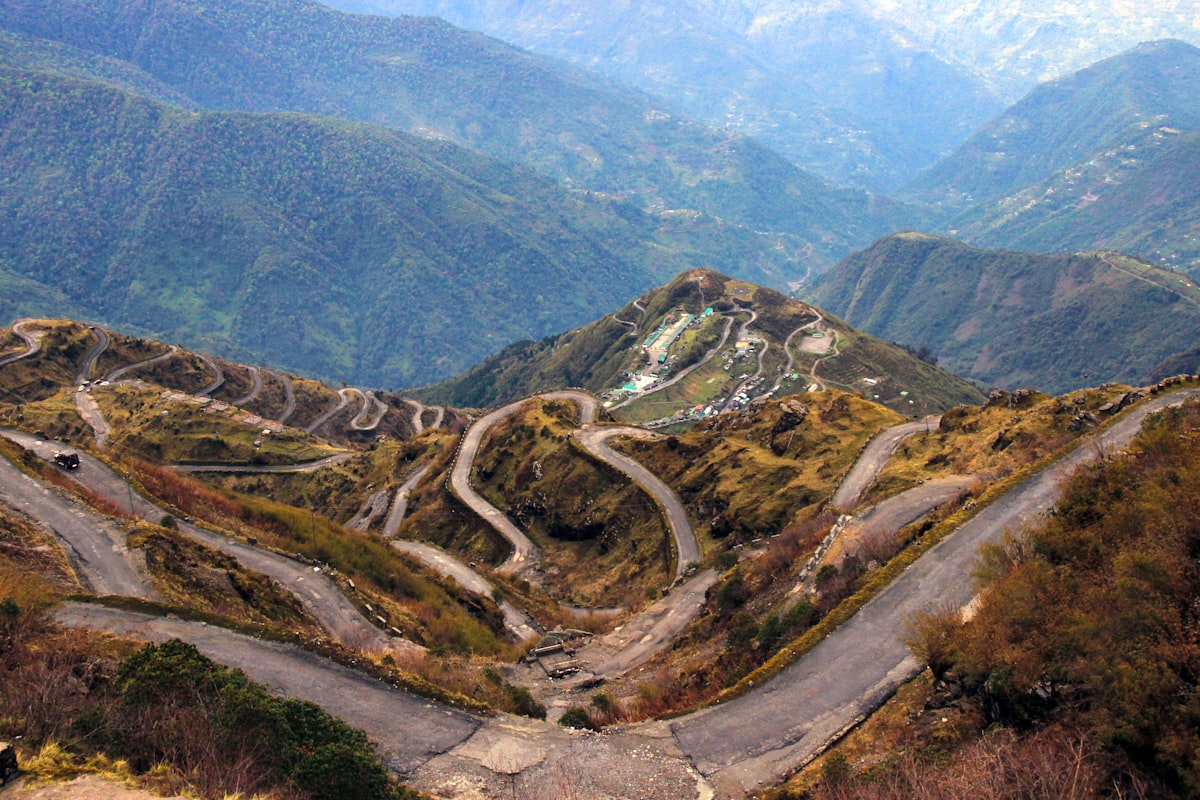
The G314 highway from Kashgar to Tashkurgan, and ultimately to Pakistan via Khunjerab Pass. Built between 1959 and 1979 as a joint China-Pakistan project — one of the greatest engineering feats of the 20th century. Over 800 Pakistani and Chinese workers died building it. It is one of the highest paved roads in the world.
“The most spectacular journey” — a director of a British travel agency who has been everywhere.
The road climbs from the Taklamakan Desert at 1,300m to the Pamir Plateau at over 4,000m. It passes through: red rock canyons, white sand mountains, turquoise lakes, massive glaciers, and two of the world’s most visible 7,500-meter peaks. In a single day, you move from desert to alpine tundra. The landscape changes so dramatically and so fast that it feels like someone is flipping through a geography textbook at high speed.
The Route (with stops)
| Stop | Altitude | From Kashgar | What |
|---|---|---|---|
| Opal Village (乌帕尔) | 1,300m | 50 min | Last reliable supplies. Buy water, snacks, altitude medication if needed. Stock up — supplies are limited after this. |
| Gaizi Checkpoint (盖孜边境检查站) | ~1,800m | 2 hrs | BORDER PERMIT CHECK. No permit = turned back. All passengers must show passport + border defense permit. This is not negotiable. |
| White Sand Mountain / Lake (白沙山 / 白沙湖) | ~3,300m | 3 hrs | White sand mountains plunging into a turquoise lake. The contrast is surreal — it looks like a different planet. First major photo stop. |
| Karakul Lake (喀拉库勒湖) | 3,600m | 4-5 hrs | THE stop. Muztagh Ata (7,546m) and Kongur Tagh (7,719m) reflected in a high-altitude lake. Kyrgyz yurt camps on the shore. ¥50 entry. |
| Subash Pass (苏巴什达坂) | 4,200m | 5 hrs | Highest point on the highway. Panoramic view of the Pamir. Cold and windy even in midsummer. Brief stop, take photos, keep moving. |
| Tashkurgan (塔什库尔干) | 3,100m | 6-7 hrs | Tajik county seat. Stone Fort ruins, Golden Grassland, Tajik eagle dance. Your overnight destination. |
| Taheman Wetland (塔合曼湿地) | 3,200m | 30 min from Tashkurgan | High-altitude wetlands with boardwalks and panoramic Pamir views. Excellent birdwatching. Free. |
Border Permit for the KKH
You need a border defense permit (边防证) to pass Gaizi Checkpoint. Without it, you are turned back — no exceptions, no negotiation.
How to get it:
| Method | Process | Reliability | Cost |
|---|---|---|---|
| Travel agency | Agency handles everything. Best arranged 7+ days in advance. They submit your passport copy and itinerary to the PSB. | Most reliable | ¥0-100 (often included in tour price) |
| Kashgar PSB directly | Some travelers report success applying directly at the Kashgar Public Security Bureau. Bring passport + copies. | Mixed reports. Some say foreigners are redirected to agencies. | ¥0-50 |
| Hotel/guesthouse | Some Kashgar hotels can arrange the permit for guests. Ask at booking. | Hit or miss. Depends on the hotel. | Varies |
The move for most travelers: Use a travel agency. Yes, it costs money. Yes, it requires advance planning. But the alternative is driving three hours from Kashgar only to be turned back at Gaizi Checkpoint because your paperwork is not right. The agency route is the safest bet for a trip you have flown across the world to take.
Agencies in Kashgar can typically arrange: the border permit, a private car with driver, and sometimes a guide. Package deals for a 2-3 day KKH trip run ¥2,400-6,000 total for car + driver + permits.
Currently available information (2025-2026): the Kashi City Immigration Service Center handles border permit applications. Take your passport (original + copy). Be prepared for a process that may take several hours and may involve lunch-break closures (typically 1:30-4:30 PM — arrive in the morning).
Transport Options for the KKH
| Option | Price | Pros | Cons |
|---|---|---|---|
| Private car + driver (via agency) | ¥800-2,000/day | Easiest. Driver handles checkpoints, knows the stops, speaks the languages. Flexible schedule. | Expensive. Must arrange in advance. |
| Shared minibus/taxi from Kashgar bus station | ¥150-300/person | Cheapest option. | Irregular schedule, crowded, language barrier, driver may not wait at checkpoints if other passengers have permit issues, may not accept foreigners without agency arrangement. |
| Self-drive (rental car) | ¥500-800/day | Ultimate freedom. Stop wherever you want. | Significant barriers for foreigners. Chinese driver’s license required. Rental agencies in Xinjiang are often hesitant to rent to foreigners. Border permit still required. Navigation apps in Chinese. No backup if something goes wrong at 4,200m. |
The honest recommendation: Unless you are an experienced China traveler with Mandarin skills and a Chinese driver’s license, use a private car + driver arranged through a Kashgar travel agency or your hotel. The cost is real (¥800-2,000/day), but so is the peace of mind. Your driver will navigate the checkpoints, verify your permit, know where to stop for photos, and potentially translate. At 4,200 meters in the Pamir Mountains, you want someone who knows what they are doing.
Overnight at Karakul Lake
This is the moment that justifies the entire trip.
Kyrgyz yurt stays: ¥40-50/person/night. Communal sleeping on thick felt mats laid on the ground. A stove in the center of the yurt provides heat. Blankets are heavy and warm. It is basic. It is also memorable.
The experience: The yurt family will cook for you — lamb stew, naan, milk tea (¥50-80/person for dinner and breakfast). After dark, the stars come out. At 3,600 meters, with no light pollution for hundreds of kilometers, the Milky Way is so bright it casts shadows. The silhouette of Muztagh Ata — the “Father of Ice Mountains” — glows in the darkness, a 7,546-meter pyramid of ice and rock reflecting starlight.
Wake up at sunrise. Walk to the lake shore. The water is glass. Muztagh Ata and Kongur Tagh are reflected perfectly, glowing pink in the first light. The air is cold and thin and absolutely still. You are standing at the edge of the Pamir Plateau, watching the sun rise over one of the most beautiful mountain landscapes on Earth. This is the moment.
Altitude warning — read this carefully:
| What | Details |
|---|---|
| Altitude | 3,600m (11,800 ft) |
| Symptoms | Headache, nausea, shortness of breath, difficulty sleeping. Some people are hit harder than others. Unpredictable. |
| The yurts have no oxygen. | If you get serious altitude sickness in the middle of the night, the nearest medical help is hours away. |
| Spend the night ONLY if acclimatized. | Spend at least one night at altitude (Tashkurgan at 3,100m) before sleeping at Karakul Lake. Or stay at Karakul first but be prepared for a rough night. |
| Diamox (acetazolamide) | Discuss with your doctor before the trip. Start taking it 24 hours before ascent. |
| Water | Drink constantly. Dehydration worsens altitude symptoms. |
| No alcohol | At 3,600m, one beer hits like three. Do not drink. |
| Ibuprofen | For altitude headache. Bring it. |
Alternative: Day trip from Kashgar to Karakul Lake and back. 8-10 hours total driving with stops. Possible but exhausting. You will arrive at the lake, take photos for 45 minutes, and leave. You will not see the stars. You will not see the sunrise. You will have driven 10 hours for a photo stop. Staying overnight is 10x better.
What to bring to the yurt:
- Headlamp (no electricity, pitch dark after sunset)
- Power bank (no charging)
- Toilet paper + hand sanitizer (pit toilets, no supplies)
- Warm layers (temperatures drop close to freezing at night, even in summer)
- Sleeping bag liner (optional but nice — the blankets are shared)
Tashkurgan
A Tajik border town at 3,100 meters. The Tajik people are ethnically and linguistically distinct from Uyghurs — they are Persian-speaking, with features closer to Iranian peoples, and a culture built around the Pamir Mountains.
Stone Fort (石头城): ¥40 (includes Golden Grassland + shuttle bus). The ruins of an ancient fort on a hill overlooking the valley. Built during the Tang Dynasty, rebuilt over centuries, a strategic point on the old Silk Road. The walls are crumbling stone and rammed earth. From the top, you see the Pamir Mountains in one direction and the Golden Grassland below in the other. Early morning or late afternoon light is best.
Golden Grassland (金草滩): Marshland below the Stone Fort that turns blazing gold in autumn (September-October). A wooden boardwalk winds through the wetlands. Mountains frame the scene on all sides. In summer it is green. In autumn it is the name. Free with Stone Fort ticket.
Tajik culture: Look for eagle dance (鹰舞) performances at local hotels or the cultural center. The Tajik people have a tradition of training golden eagles for hunting. The eagle dance mimics the movements of the bird — arms spread like wings, spinning and dipping. During wedding season (summer and autumn), you might encounter spontaneous music and dancing in Tashkurgan’s streets. If invited, accept.
Accommodation in Tashkurgan: Several mid-range hotels. Crown Inn (石头城宾馆) is the most commonly mentioned, ¥300-600/night. Book ahead. Tashkurgan has limited capacity and fills up in peak season.
Beyond Tashkurgan — What’s Actually Accessible
Important update for foreign travelers: As of 2025, Khunjerab Pass (红其拉甫口岸) — the China-Pakistan border at 4,693m — is closed to foreign nationals. The official park announcement states: “接待对象为中国境内团队和散客,暂不接待外国籍游客” (open to domestic Chinese tourists only; foreign nationals are not currently admitted). This means you cannot visit the border gate, the snow leopard statues, or the viewpoint. Do not plan your itinerary around it — you will be turned away at the checkpoint.
What to do instead with your extra day near Tashkurgan:
| Alternative | What It Is | Details |
|---|---|---|
| Taheman Wetland (塔合曼湿地) | High-altitude wetlands 30 min from Tashkurgan. Wooden boardwalks over golden grasslands, snow-capped Pamir peaks on the horizon, migratory birds in season. | Free. Best at golden hour. Combine with Stone Fort for a full morning. |
| Stone Fort + Golden Grassland — go deeper | The ruins and marshland you already plan to see. Instead of rushing through in an hour, spend a full morning. Walk the entire boardwalk. The far end — where the boardwalk turns back — is where you get the Pamir panorama without anyone else in the frame. | ¥40 (Stone Fort + Golden Grassland + shuttle). |
| Tajik cultural experiences | Visit a Tajik village homestay near Tashkurgan. Drink salted milk tea, watch bread being baked in a tandyr oven, see eagle dance demonstrations. Some families welcome visitors for meals (arrange through your driver or guesthouse). | ¥50-100 for a homestay meal. Negotiate directly. |
| Pamir night sky | At 3,100m, Tashkurgan has exceptionally dark skies. On a moonless night, the Milky Way is visible to the naked eye. Walk 15 minutes from town in any direction, turn off your flashlight, and wait 10 minutes for your eyes to adjust. | Free. Check moon phase before your trip. |
If the policy changes: Border policies in Xinjiang are dynamic. Ask your Kashgar guesthouse or travel agency for the current status of Khunjerab Pass when you arrive. But plan your itinerary assuming you cannot go. A day exploring Tashkurgan and the surrounding wetlands at a relaxed pace is better than a rushed drive to a checkpoint where you get turned around.
KKH Photography Guide
| Shot | Location | Best Time | Notes |
|---|---|---|---|
| Muztagh Ata reflection | Karakul Lake, west shore | Sunrise (6-7 AM summer) | Wind must be perfectly still. Walk along the shore for the best angle. A polarizing filter helps cut glare. |
| White Sand Mountain + turquoise lake | Baisha Lake viewpoint | Mid-morning | The contrast between white sand and blue water looks fake but is real. Wide angle. |
| KKH snaking through the Pamir | Multiple pull-offs between Karakul and Tashkurgan | Late afternoon | Shoot from above if possible. The road looks like a thin ribbon through the mountains. Use the curve as a leading line. |
| Tajik herder with yaks | Pastures near Tashkurgan | Morning | Ask permission. A small tip (¥10-20) is appreciated. |
| Kashgar Old City golden hour | East-west alleys at dusk | 6-8 PM summer | Golden light on earthen walls. Children playing. Dust motes in sunbeams. Wait for a subject to walk through the light. |
| Livestock Bazaar chaos | Bazaar pens | 11 AM-12 PM | Shoot from above (stand on something). The patterns of sheep in pens make striking compositions. |
| Tea house balcony | Century-Old Tea House, 2nd floor | 4-6 PM | Shoot the musicians from the side, the rooftops from above. Late afternoon light is warm. |
Camera gear notes:
- Bring a telephoto for Muztagh Ata — the peak is massive but distant across the lake
- A wide angle for the alleys of Kashgar Old City (24mm or wider)
- Dust protection: the bazaar and the KKH are dusty environments. Bring a rocket blower and keep your camera in a bag when not shooting
- Batteries: cold at altitude drains batteries faster. Bring spares.
Packing List for the KKH
| Item | Why |
|---|---|
| Passport + border permit | Carry both at all times. Keep photocopies in a separate bag. Digital copies on your phone. |
| Layers | Temperatures swing from 30°C (Kashgar) to 5°C (Subash Pass) in the same day. Base layer, fleece, windproof jacket. |
| Sun protection | UV at 3,600m+ is brutal. Wide-brim hat, polarized sunglasses, SPF 50+ sunscreen. Reapply every 2 hours. |
| Altitude medication | Diamox (prescription), ibuprofen for headache. Discuss with your doctor before traveling. |
| Motion sickness medication | Winding mountain roads for hours. Even if you do not normally get carsick, bring it. |
| Water | 2L minimum per person. Limited supplies after Opal Village. The altitude dehydrates you faster. |
| Snacks | Naan travels well. Nuts, dried fruit, chocolate. Buy extra in Kashgar before departure. |
| Power bank | No charging at yurt camps. Solar chargers are useful for multi-day trips. |
| Toilet paper + hand sanitizer | KKH pit stops are basic. Squat toilets, no TP, no soap. Bring your own. Wet wipes are also good. |
| Headlamp | For navigating yurt camps after dark. Your phone flashlight will not cut it. |
| Closed shoes | For the bazaar, for the yurt camp, for the Stone Fort. Sandals will fail you. |
| Cash | Some food vendors at the bazaar and small shops on the KKH prefer cash. Carry ¥500-1,000 in small bills. |
Best Time for the KKH
| Period | Verdict |
|---|---|
| May-June | BEST. Pleasant temperatures, green valleys, snow still on the peaks, fewer crowds than July-August. Long daylight hours. |
| July-August | Good but busy. KKH fully open and passable. Hot in Kashgar city (35°C+). Domestic tourism peak. Book everything in advance. |
| September-October | BEST for photographers. Golden light, clear autumn skies, the Golden Grassland lives up to its name. Cold at altitude — bring real layers. |
| November-April | CLOSED. The pass is snowed in. The KKH above a certain altitude is impassable. Do not plan a KKH trip during these months. |
Kashgar city itself is visitable year-round, though winters are cold and summers are hot and dusty. If you are only doing the city (no KKH), March-April and October-November offer pleasant temperatures and fewer tourists.
Cost Breakdown
5-Day Kashgar + KKH, mid-range, per person
| Item | Cost (¥) | Cost (USD) |
|---|---|---|
| Hotels (4 nights, mid-range) | ¥1,200-2,400 | $168-336 |
| KKH private car + driver (3 days) | ¥2,400-6,000 | $336-840 |
| Karakul Lake yurt (1 night) | ¥40-50 | $6-7 |
| Kashgar meals (5 days) | ¥500-750 | $70-105 |
| KKH meals (3 days) | ¥300-500 | $42-70 |
| Entrance fees (mosque, tombs, Stone Fort, lake) | ¥150-200 | $21-28 |
| Border permit | ¥0-50 | $0-7 |
| DiDi + local transport | ¥200-400 | $28-56 |
| Total mid-range | ¥4,790-10,350 | $671-1,449 |
Budget estimate: ¥3,500-5,500 ($490-770) — hostels, shared transport, fewer restaurant meals. Comfort estimate: ¥10,000+ ($1,400+) — best hotels, private car throughout, guided experiences.
Where the money goes: The KKH private car is the single biggest cost. Splitting it with 2-3 travel partners makes a dramatic difference — a ¥2,400/day car split three ways is ¥800/person/day. Traveling solo, the KKH becomes significantly more expensive per person. Consider connecting with other travelers at your Kashgar guesthouse to share a car.
Convert at approximately ¥1 = $0.14 USD.
Common Mistakes
Not scheduling Kashgar around a Sunday. The Livestock Bazaar is the #1 cultural experience in Kashgar. If your itinerary does not include a Sunday, you have missed half of what makes this city extraordinary. Plan your entire Xinjiang trip around this. Arrive Saturday, bazaar Sunday, KKH Monday.
Not arranging the border permit in advance. The KKH border permit is not something you can sort out the night before. Agencies need 7+ days. The PSB office has unpredictable hours. Do not be the person who drives three hours only to be turned back at Gaizi Checkpoint.
Doing the KKH as a day trip. Kashgar to Karakul Lake and back in one day is 8-10 hours of driving for 45 minutes at the lake. You will be exhausted. You will miss the stars. You will miss the sunrise. Minimum two days, ideally three.
Not bringing altitude medication to Karakul Lake. 3,600 meters is higher than most people have ever slept. Some people are fine. Some are not. You will not know which you are until you are there. Bring Diamox. Bring ibuprofen. Drink water constantly.
Wearing sandals to the Livestock Bazaar. Animal waste. Dust. Mud. The occasional hoof on your toe. Closed shoes only. Boots if you have them.
Not bringing toilet paper for KKH pit stops. The toilets on the Karakoram Highway are squat toilets at best, holes in the ground at worst. There is never toilet paper. There is never soap. Bring your own of both. Wet wipes are even better.
Photographing checkpoints or military installations. Instant deletion of photos. Possible detention. The Chinese military does not mess around. When you see a checkpoint, put your camera away. Do not even look like you are thinking about it.
Expecting English to be spoken anywhere. Outside international hotel front desks, English is essentially non-existent in Kashgar. Download an offline translation app (Google Translate with Chinese + Uyghur packs downloaded). Learn a few key phrases. Your driver may speak Uyghur and Mandarin but almost certainly not English.
Booking an Old City guesthouse without confirming they accept foreigners. Many small guesthouses in the Old City are not licensed for foreigner registration or simply do not know the process. If you show up and they cannot register you with the PSB, you will be turned away. Message before booking. Confirm in writing.
Visiting Kashgar in November-April expecting the KKH to be open. The pass is snowed in. The road is closed. Your KKH trip does not happen. Visit May through October.
Not setting up mobile payment before arriving. Kashgar is aggressively cashless, like the rest of China. Alipay and WeChat Pay are expected everywhere — including the night market and the Livestock Bazaar food stalls. Read our China Mobile Payment Guide. Set it up before you leave home.
Not downloading a VPN before entering China. Gmail, Google Maps, Instagram, WhatsApp, Google Translate — all blocked. VPNs must be installed and tested before you cross the border. Many VPN websites are blocked inside China. You cannot download one after you arrive. Do this before your flight.
Not downloading Amap (高德地图). Google Maps is unreliable in China. Amap (Gaode) is the local equivalent and works brilliantly — but it is in Chinese. Download it. Learn the basics. Your driver will use it. You should too if you are navigating on your own in Kashgar.
Bottom Line
Kashgar is the closest thing to authentic Silk Road atmosphere that still exists in 2026. Walking its alleys at dawn, sitting in a tea house with Uyghur musicians, standing in the dust of the Livestock Bazaar while a farmer examines a sheep’s teeth — these are not tourist performances. They are the city being itself, as it has been for centuries.
The Karakoram Highway is a road trip that rivals anything in the Himalayas or the Andes. Muztagh Ata and Kongur Tagh reflected in Karakul Lake at sunrise. The white sand mountains plunging into turquoise water. The Pamir Plateau opening up at 4,200 meters. A Kyrgyz yurt at 3,600 meters with the Milky Way overhead.
Together, they are a week of your life you will talk about for years.
Just get the permit sorted. Schedule around Sunday. And stay overnight at Karakul Lake. The stars at 3,600 meters — with the Father of Ice Mountains glowing in the darkness — is one of those moments that makes all the logistical friction worth it.
Yaxshimisse!
Related guides you will need:
- Xinjiang First-Timer’s Guide — everything else you need for Xinjiang
- Ili: Xinjiang’s Alpine Paradise — the other Xinjiang: turquoise lakes, wildflower grasslands, Kazakh yurts
- China Mobile Payment Guide — Alipay and WeChat Pay, step by step
- China High-Speed Rail Guide — how to reach Kashgar by train