Tibet Travel Guide 2026: Permits, Lhasa & Everest for Foreign Travelers
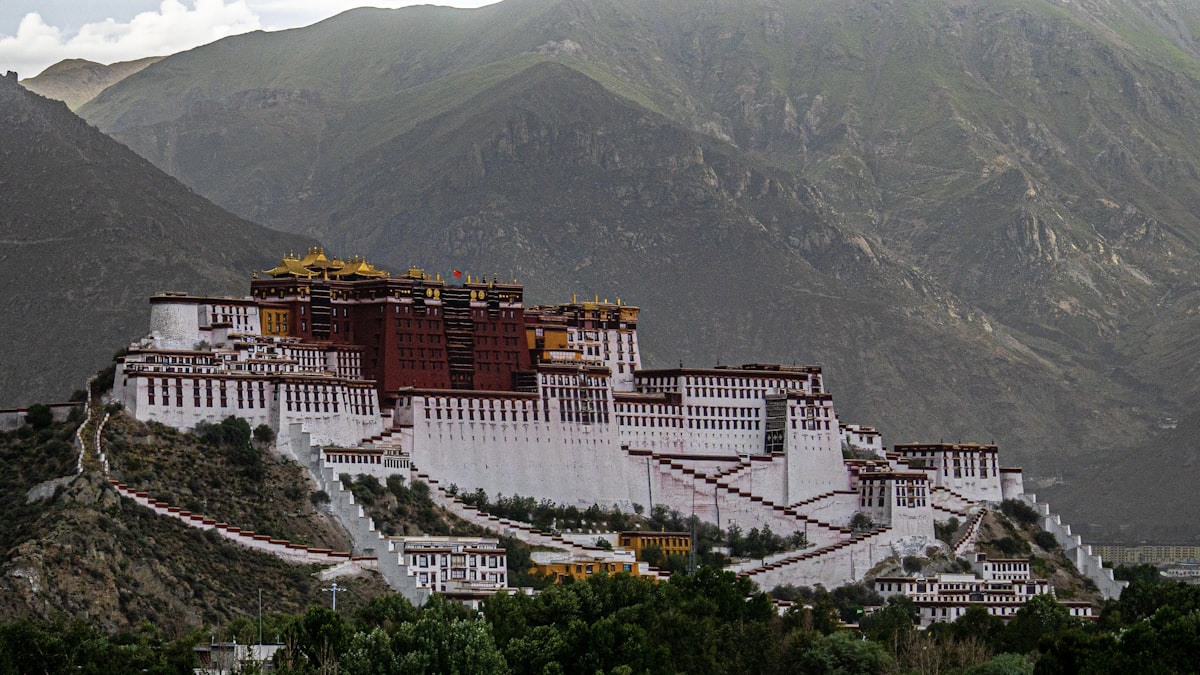
Tibet is unlike anywhere else on Earth. The air is thin, the sky is impossibly blue, and everywhere you look — prayer flags snapping in the wind, pilgrims prostrating outside Jokhang Temple, the Potala Palace glowing gold at sunset — it feels like stepping into another world.
But Tibet is also the most logistically complex destination in China for foreign travelers. You can’t just buy a plane ticket and go. You need a permit. You need a licensed tour. You need to prepare for 3,650 meters of altitude.
This guide is written for foreign passport holders who want to visit Tibet in 2026. It covers everything: permits, when to go, how to get there, what to see in Lhasa and beyond, altitude survival, cultural rules, and exactly how much it costs.
The One Thing You Must Know First
Foreigners cannot travel independently in Tibet. You must:
- Book through a licensed Tibetan travel agency
- Travel as part of an organized tour group with a licensed guide
- Obtain a Tibet Travel Permit (TTP) before entering
There is no way around this. The permit is checked when you board your flight or train, at hotel check-ins, and at police checkpoints throughout the region.
Why Tibet?
| Reason | What It Means For You |
|---|---|
| 🏛️ Potala Palace | 13-story UNESCO World Heritage site, former residence of the Dalai Lama — one of the most spectacular buildings on Earth |
| 🙏 Jokhang Temple | The holiest temple in Tibetan Buddhism — pilgrims have traveled here for 1,300 years |
| 🏔️ Everest Base Camp | Drive right to 5,200m on the Tibetan side — no trekking required, face-to-face with the north face |
| 🌊 Sacred Lakes | Yamdrok (turquoise), Namtso (sky-blue) — some of the highest and most beautiful lakes in the world |
| 🧘 Living Culture | Monk debates at Sera Monastery, butter lamps at dawn, prayer wheels spinning along Barkhor Street |
| 🚂 Qinghai-Tibet Railway | The world’s highest railway — 21 hours through permafrost, grasslands, and snow-capped peaks |
Best Time to Visit
| Season | Months | Verdict |
|---|---|---|
| Spring ⭐ | April–June | Best — dry, clear skies, fewer crowds, rhododendron blooms in Nyingchi |
| Summer | July–August | Warmest (15–25°C in Lhasa), Shoton Festival in late August, but peak crowds and occasional rain |
| Autumn ⭐ | September–October | Best visibility, stable weather, most photogenic — but nights get cold (0–10°C) |
| Winter | November–March | Sunny days, few tourists, hotel discounts — but freezing nights (-10°C), permit restrictions, some areas closed |
Avoid: Tibetan New Year (mid-February to early March) — no permits are processed, and Tibet is effectively closed to foreign travelers. Also avoid Chinese Golden Week (October 1–7) when domestic tourism surges.
Best window: Late April to early June, or September to mid-October.
The Tibet Travel Permit (TTP)
This is the document that makes or breaks your trip. Here is exactly what you need to know.
Who Needs It?
| Traveler | Permit Required? |
|---|---|
| Foreign passport holders | Yes |
| Taiwan residents (with Mainland Travel Permit) | Yes |
| Hong Kong / Macau residents (Home Return Permit) | No |
| Chinese mainland citizens (PRC ID card) | No |
What You Need to Provide
- Clear scan of your passport — valid for at least 6 months beyond your trip dates
- Copy of your Chinese visa (L Tourist Visa typically required)
- Visa-free nationals (e.g., France, Germany, Malaysia, Australia, New Zealand): Only passport copy needed for trips under 15 days
- Non-tourist visa holders (work, student, family): Additional documents required — employment letter, school enrollment letter, or invitation letter
Timeline
| Detail | Timeframe |
|---|---|
| Standard processing | 15–45 working days |
| Recommended advance submission | At least 30 working days before travel |
| Peak season (May–October) | Apply 2 months in advance |
| Train entry (copy acceptable) | Shorter — electronic copy is sufficient |
| Permit suspension periods | Tibetan New Year (mid-Feb to early March), March 10 anniversary |
⚠️ Critical: You cannot board a flight or train to Lhasa without the permit. Airlines check it at check-in. The permit is free, but you pay for it as part of your tour package.
Additional Permits for Remote Areas
| Permit | Required For |
|---|---|
| Alien’s Travel Permit (ATP) | Everest Base Camp, Sakya Monastery, Samye Monastery, Mount Kailash, Lake Manasarovar — processed quickly (hours) after arriving in Tibet |
| Military Permit | Remote border areas (Mount Kailash, Bomi, Ngari) — requires 20–30 days advance |
Finding a Licensed Agency
Your tour agency handles the entire permit process. Look for agencies that:
- Are registered with the China National Tourism Administration
- Have English-speaking staff who can explain the permit timeline
- Offer transparent pricing with permit fees included
- Can provide recent reviews from foreign travelers
Agencies typically offer packages ranging from 4-day Lhasa-only tours to 10–15 day Everest Base Camp or Mount Kailash expeditions.
How to Get to Lhasa
By Air
Fly into Lhasa Gonggar Airport (LXA), about 60 km (1 hour) from downtown Lhasa.
Most frequent connections:
- Chengdu → Lhasa: 2.5 hours (most flights, best gateway city)
- Xi’an → Lhasa: 3 hours
- Beijing → Lhasa: 4 hours
- Chongqing → Lhasa: 2.5 hours
- Kunming → Lhasa: 2.5 hours
Tip: Chengdu is the most popular gateway — frequent flights, and you can spend a day or two acclimating at 500m before flying to 3,650m. Book through Trip.com for English interface.
By Train — The Qinghai-Tibet Railway
The world’s highest railway from Xining (2,275m) to Lhasa (3,650m) — 1,956 km across the Tibetan Plateau.
| Detail | Info |
|---|---|
| Duration | ~21 hours from Xining |
| Best class | Soft sleeper (4-berth compartment, lockable door) |
| Altitude | Peaks at 5,072m at Tanggula Pass |
| Oxygen | Oxygen outlets at every berth above Golmud |
| Scenery | 昆仑 Mountains, Hoh Xil wildlife reserve (Tibetan antelope!), Tanggula snow peaks, vast grasslands |
| Permit | Electronic copy usually accepted for train boarding |
The train is recommended if you have time — the gradual ascent helps with acclimatization, and the scenery through the Kunlun Mountains and across the permafrost is memorable. Book through a travel agency or Trip.com.
From Nepal
You can fly Kathmandu → Lhasa (1.5 hours, ~$300–400) or enter overland via the Gyirong border crossing. Both require a China Group Visa from the Chinese Embassy in Kathmandu — your tour agency can help arrange this.
Lhasa: What to See
Lhasa sits at 3,650 meters (11,975 ft) in a valley surrounded by bare mountains. The name means “Land of the Gods” in Tibetan. Plan at least 3 full days here — not just for sightseeing, but because you need the first day to acclimate.
Potala Palace (布达拉宫)
The icon of Tibet. This 13-story red-and-white palace rises from Marpo Ri (Red Hill) and dominates the Lhasa skyline. Built in the 7th century and expanded by the 5th Dalai Lama in 1645, it served as the winter residence of successive Dalai Lamas until 1959.
What you’ll see: Golden stupa tombs of past Dalai Lamas (the 5th Dalai Lama’s is 14 meters tall and wrapped in 3,727 kg of gold), ancient Buddhist murals, thangkas, and chapels filled with butter lamps.
Pro tips:
- Tickets are limited to 5,000 visitors per day — your agency must book days in advance
- Photography is strictly forbidden inside
- You’ll climb ~300 stairs at altitude — save this for Day 3 or later
- Closed on Mondays
- The Pharma Hill (药王山) viewpoint opposite the palace gives the exact view printed on the 50 RMB banknote
- Best photos: Golden hour from Chakpori Hill or the广场 (square) below
Jokhang Temple (大昭寺)
The spiritual heart of Tibetan Buddhism. Founded in the 7th century, it houses the Jowo Rinpoche — a life-size gilded statue of the 12-year-old Buddha Shakyamuni, the most sacred object in Tibet.
Go early morning (before 9 AM) to see Tibetan pilgrims lighting butter lamps and prostrating in front of the temple. The energy is profound, even if you have no religious connection.
Outside, walk the Barkhor circuit — a 1 km pilgrimage path circling the temple, lined with shops selling prayer wheels, thangkas, and Tibetan incense. Always walk clockwise.
Sera Monastery (色拉寺)
Famous for the monk debates held daily at 3:00 PM (except Sundays) in the debating courtyard. Monks pair up — one standing and clapping dramatically, one sitting and answering — engaging in rigorous philosophical argument in Tibetan. It’s intense, theatrical, and completely authentic.
Arrive by 2:30 PM for a good viewing spot. Photos are allowed (no flash). The monastery itself, built in 1419, has beautiful chapels and was once home to 5,000 monks.
Drepung Monastery (哲蚌寺)
Once the largest monastery in the world — at its peak, it housed 10,000 monks. Located on a hillside 8 km west of Lhasa, it’s a sprawling complex of white buildings climbing the slope. The main assembly hall (Tsokchen) is vast and atmospheric.
Warning: Many stairs. Allow 3–4 hours. The rooftop views across the Lhasa valley are spectacular.
Barkhor Street (八廓街)
The old town surrounding Jokhang Temple. It’s the living center of Lhasa — pilgrims walking kora, traders selling turquoise and yak wool, tea houses filled with locals. The best place to simply wander and absorb the rhythm of the city.
Buy a prayer wheel or Tibetan incense as a souvenir. Haggle gently — it’s expected, but be respectful.
Norbulingka (罗布林卡)
The Summer Palace of the Dalai Lamas — a peaceful park with gardens, pavilions, and palaces. Less crowded than Potala, and a nice break from temple interiors. Visit in the afternoon when the light is soft.
Day Trips from Lhasa
Yamdrok Lake (羊卓雍措) — Must-See
One of Tibet’s three sacred lakes, draped like a turquoise scarf across the mountains at 4,441 meters. The color is unreal — an electric blue-green that changes shade as clouds pass overhead.
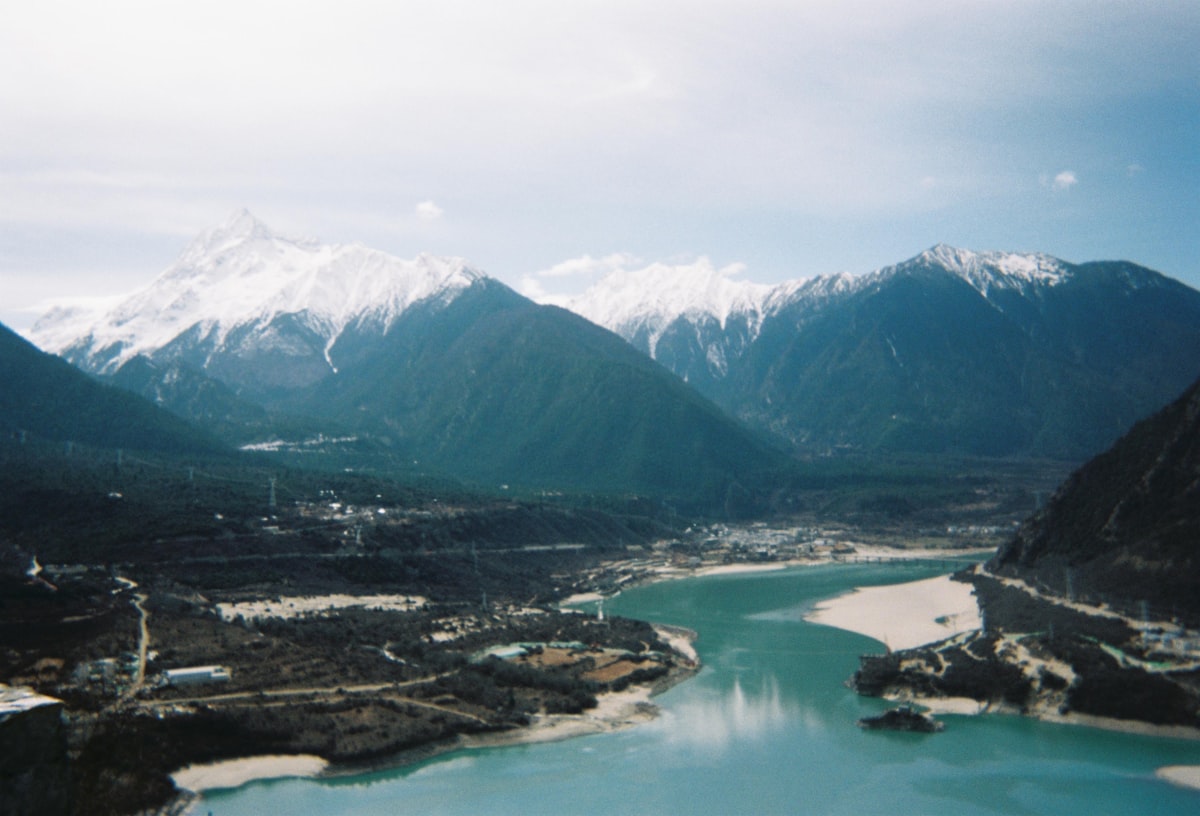
It’s about 2.5–3 hours from Lhasa, crossing the Kamba La Pass (4,794m) for the first jaw-dropping view. Snow-capped Mount Nojin Kangsang (7,191m) rises in the distance.
Tips:
- Bring your passport — there’s a police checkpoint
- The pass is windy and cold even in summer — bring a jacket
- There’s a small fee (~¥60) for the main viewing platform, but your guide can take you to free spots just as good
- Yak photo-ops: ¥10–20 per photo with a decorated yak at the lakeshore
Namtso Lake (纳木措) — For the Ambitious
The highest of Tibet’s three sacred lakes at 4,718 meters, and arguably the most beautiful. Deep blue water, snow-capped Nyenchen Tanglha mountains as backdrop, and a sense of vastness that’s hard to describe.
It’s 4–5 hours from Lhasa. Most tours make it an overnight trip — stay in a basic guesthouse near the lake (no heating, no showers, altitude is brutal) for the sunrise, which is legendary. Summer only (June–September) — the road is closed in winter.
⚠️ Altitude warning: Namtso at 4,718m is significantly higher than Lhasa. Do this only after you’ve fully acclimatized (Day 5+ of your trip), and do not stay overnight if you’ve had any altitude symptoms.
Beyond Lhasa: Extended Itineraries
Everest Base Camp — Tibet Side (5–8 extra days)
The Tibetan side of Everest Base Camp is fundamentally different from the Nepal side — you drive to 5,200 meters, no multi-day trekking required. The road takes you right to base camp, where you stand face-to-face with Everest’s north face.
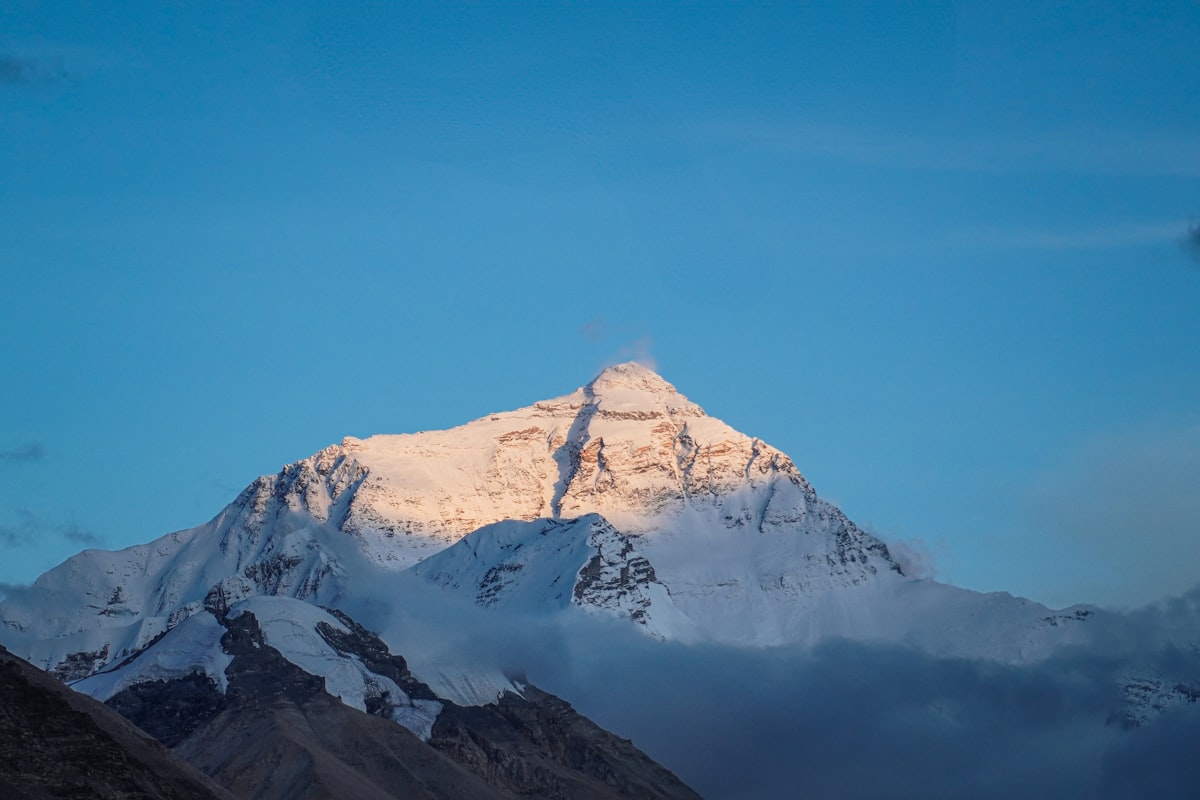
What you see: Everest (8,848m) directly in front, the Rongbuk Glacier below, and the world’s highest monastery — Rongbuk Monastery (4,980m) — where you can stay overnight.
The route from Lhasa (classic 8-day Everest itinerary):
| Day | Journey | Highlights |
|---|---|---|
| 1–3 | Lhasa | Potala Palace, Jokhang Temple, Sera Monastery, acclimatize |
| 4 | Lhasa → Gyantse → Shigatse | Yamdrok Lake, Karola Glacier, Gyantse Dzong |
| 5 | Shigatse → Tingri | Tashilhunpo Monastery, Himalayan viewpoints |
| 6 | Tingri → Everest Base Camp | Rongbuk Monastery, Everest north face at sunset |
| 7 | EBC → Shigatse | Sunrise on Everest, drive back |
| 8 | Shigatse → Lhasa | Yarlung Tsangpo River valley |
EBC practicalities:
- You need the Alien’s Travel Permit (ATP) in addition to the TTP
- The lodging area has been relocated near Rongbuk Monastery — tent guesthouses (basic but functional) or the monastery guesthouse
- Temperatures drop below freezing even in summer — bring thermals, down jacket, gloves, hat
- The sky at night is the clearest you’ll ever see — the Milky Way stretches horizon to horizon
- Oxygen is available; your guide should carry a canister
Shigatse & Tashilhunpo Monastery (1–2 extra days)
Shigatse (3,800m) is Tibet’s second city and home to Tashilhunpo Monastery, the traditional seat of the Panchen Lama. The giant gilded statue of the Future Buddha (Maitreya) is 26 meters tall and dramatic. Shigatse is a standard stop on the way to Everest.
Mount Kailash (12–15 extra days)
For the truly adventurous: the 3-day kora (circumambulation) around Mount Kailash (6,638m) in far western Tibet, sacred to Buddhists, Hindus, Jains, and Bön practitioners. This is an extreme undertaking — 52 km at altitudes above 4,600m, with the Drolma La Pass at 5,630m. Requires military permit, excellent fitness, and a serious tour operator.
Altitude Sickness: How to Survive
Lhasa is at 3,650m (11,975 ft). Everest Base Camp is at 5,200m (17,060 ft). This is not optional reading.
What to Expect
Almost everyone feels something on Day 1 — headache, fatigue, shortness of breath, loss of appetite, light sleep. This is normal. What you’re watching for is worsening symptoms.
| Level | Symptoms | Action |
|---|---|---|
| Mild (AMS) | Headache, fatigue, nausea, dizziness | Rest, hydrate, don’t ascend further. Take paracetamol for headache. |
| Moderate | Vomiting, severe headache, breathlessness at rest | Descend immediately (at least 500m). Oxygen. Seek medical help. |
| Severe (HAPE/HACE) | Confusion, inability to walk straight, coughing pink froth, severe breathlessness | Medical emergency. Descend immediately. Evacuate. |
Prevention
- Rest completely on Day 1. No sightseeing. No stairs. No alcohol. Lie down, drink water, let your body adjust.
- Hydrate aggressively. Drink 3–4 liters of water daily. The dry plateau air dehydrates you faster than you realize.
- Ascend gradually. If possible, spend 1–2 nights in Xining (2,275m) or Chengdu before flying to Lhasa. The Qinghai-Tibet Railway helps — the gradual 21-hour ascent aids acclimatization.
- Medication:
- Diamox (acetazolamide): Start 1–2 days before arrival. 125–250mg twice daily. Reduces AMS symptoms significantly. Prescription required.
- Rhodiola rosea (红景天): Chinese herbal supplement. Start 1 week before travel. Evidence is mixed but many travelers swear by it. Available over-the-counter in China.
- Ibuprofen/paracetamol: For altitude headaches.
- Avoid: Alcohol, sleeping pills, heavy meals, and hot showers (dilate blood vessels).
- Oxygen: Canned oxygen is widely available (~¥20–40). Most mid-range and above hotels have oxygen bars or in-room oxygen. Use if needed — it’s not cheating.
⚠️ Get high-altitude medical evacuation insurance. Most standard travel insurance policies exclude high-altitude activities. Check your policy carefully — helicopter evacuation from Everest Base Camp costs tens of thousands of dollars.
Cultural Etiquette
Tibetan culture is taken seriously and violations can cause real offense. Your guide will brief you, but here is what you need to know in advance:
Do’s ✅
- Walk clockwise around temples, stupas, prayer wheels, and the Barkhor circuit. This follows the sacred direction.
- Dress modestly in monasteries: covered shoulders and knees. Remove hats and sunglasses inside.
- Accept with both hands when receiving tea, gifts, or anything offered.
- Say “Tashi Delek!” (扎西德勒) — Tibetan for “Good fortune!” A smile and this phrase goes a long way.
- Step over thresholds — don’t stand on them.
- Ask before photographing monks or pilgrims. Many are happy to be photographed, but some are not — and pilgrims prostrating are not tourist subjects.
Don’ts ❌
- Do not photograph inside monastery halls. It’s almost always forbidden. Look for signs or ask your guide.
- Do not point your finger at Buddha statues or people. Use an open palm.
- Do not touch a monk’s robes or head.
- Do not discuss the Dalai Lama, Tibetan independence, or any political topic in public. Your guide can face serious consequences.
- Do not photograph military installations, checkpoints, or police — ever.
- Do not attend a sky burial (traditional funeral practice where bodies are offered to vultures). These are not tourist attractions. Some sites are entirely off-limits. Photography is absolutely forbidden.
Food & Where to Eat
Tibetan cuisine is distinct from Chinese food — it’s heavy on yak, barley, and dairy, designed for high-altitude living.
| Dish | What It Is |
|---|---|
| Butter Tea (酥油茶 / Po Cha) | Salty yak butter tea — an acquired taste, but essential for altitude (calories + hydration). Drink it. |
| Tsampa (糌粑) | Roasted highland barley flour mixed with butter tea into a dough — the Tibetan staple for millennia |
| Yak Momos (牦牛肉包子) | Steamed yak-meat dumplings. The gateway Tibetan food — everyone likes these. |
| Thukpa (藏面) | Hand-pulled noodle soup with yak meat or vegetables. Comfort in a bowl. |
| Yak Yogurt | Thick, tangy, and probiotic-rich — served with sugar and sometimes barley crunch |
| Sweet Tea (甜茶) | Milky black tea with sugar — think Tibetan chai. Served everywhere. |
Where to eat:
- Guangming Gangqiong Sweet Tea House (光明港琼甜茶馆) near Barkhor: The quintessential Lhasa experience. Sit elbow-to-elbow with locals at long communal tables. Place ¥1 under your cup for a refill. It’s noisy, smoky, and completely authentic.
- Makye Ame (玛吉阿米) on Barkhor Street: Legendary restaurant in a yellow building said to be where the 6th Dalai Lama met his lover. Touristy, but the rooftop is lovely for sunset tea.
- Local Tibetan restaurants around Barkhor: Look for places filled with Tibetans. Your guide can recommend.
Vegetarian options exist (yak-free momos, vegetable thukpa, tsampa), but they’re limited. If you’re vegan, bring snacks — the cuisine is dairy and meat-heavy.
Where to Stay
| Style | Recommendations | Notes |
|---|---|---|
| Luxury | St. Regis Lhasa, Shangri-La Lhasa | Oxygen-enriched rooms, 24-hour oxygen bars, Potala views |
| Mid-range | House of Shambhala (old town boutique), Thangka Hotel | Rooftop views, character, central location |
| Budget | Tibetan guesthouses near Barkhor | Local atmosphere, basic facilities, no elevators |
For Everest Base Camp: Rongbuk Monastery guesthouse or tent guesthouses — very basic (dorm beds, no heating, shared squat toilets). It’s about the view, not the accommodation. Bring a sleeping bag liner.
Practical Tips
Money
- Cash is essential. Carry ¥1,000–1,500 in small bills (¥1, ¥5, ¥10). Temple donations, small tea houses, and rural vendors don’t take digital payment.
- WeChat Pay / Alipay work in major hotels, restaurants, and shops in Lhasa. Foreign credit cards are rarely accepted.
- ATMs exist in Lhasa but can be unreliable with foreign cards. Bring cash from Chengdu or Beijing.
Connectivity
- Install your VPN before you arrive in China. Western platforms (Google, Instagram, WhatsApp, Gmail) are blocked. Test it before departure.
- Get a Chinese SIM card at your gateway city (Chengdu airport is convenient). China Mobile has the best coverage on the plateau.
- Wi-Fi in hotels is generally fine within China’s firewall. Don’t expect to stream video.
- Internet has reportedly been improving from mid-2026 onward, but don’t count on it.
Health
- Sun protection is non-negotiable. At 3,650m+, UV is extreme. SPF 50+ sunscreen, polarized sunglasses, lip balm with SPF, wide-brim hat.
- Tissues and hand sanitizer. Monastery toilets are mostly squat, and toilet paper is rarely provided.
- Prescription meds: Bring everything you might need. Pharmacies in Lhasa are limited.
- Travel insurance: Confirm high-altitude coverage. Evacuation from the plateau is expensive.
What to Pack
| Essential | Why |
|---|---|
| Passport (non-negotiable) | Required for permits, checkpoints, hotels, flights — everything |
| High-SPF sunscreen + lip balm | Plateau sun burns in minutes |
| Layered clothing | Lhasa days can be warm (20°C) but nights drop to 5°C; EBC falls below freezing |
| Down jacket or insulated layer | Essential for EBC and mountain passes |
| Sturdy walking shoes | 15,000+ steps daily on uneven monastery paths |
| Diamox / altitude meds | Start before arrival |
| Power bank | Charging is limited on long drives |
| Sleeping bag liner | For basic guesthouses at EBC |
| Tissues + wet wipes | Bathrooms on the road |
| Reusable water bottle | Stay hydrated, reduce plastic waste |
| Cash in small bills | ¥1 for tea houses, ¥10 for temple donations |
Budget Estimate (Per Person, 8-Day Lhasa + Everest)
| Item | Cost (¥) |
|---|---|
| Tour package (8 days, Lhasa + EBC, shared group) | 6,000–10,000 |
| Tibet Travel Permit + Alien’s Travel Permit | Included in tour |
| Flights: Chengdu ↔ Lhasa | 2,000–4,000 |
| Accommodation (7 nights, mid-range) | Included in most packages |
| Meals (8 days) | 800–1,500 |
| Tips for guide & driver | 400–800 |
| Souvenirs, tea houses, misc | 300–600 |
| Total | ~9,500–17,000 |
That’s roughly $1,300–2,400 USD for 8 days. Tibet is more expensive than most China travel because of the mandatory tour structure, but the landscapes and cultural experience are genuinely once-in-a-lifetime.
8-Day Classic Itinerary
| Day | Location | Activities |
|---|---|---|
| 1 | Arrive Lhasa | Rest, hydrate, light stroll on Barkhor (acclimatization day) |
| 2 | Lhasa | Jokhang Temple (morning), Barkhor circuit, sweet tea house |
| 3 | Lhasa | Potala Palace (morning), Sera Monastery debates (3 PM), Pharma Hill sunset |
| 4 | Lhasa | Drepung Monastery (morning), Norbulingka (afternoon) |
| 5 | Lhasa → Shigatse | Yamdrok Lake, Karola Glacier, Gyantse |
| 6 | Shigatse → EBC | Tashilhunpo Monastery, Himalaya viewpoints, Rongbuk Monastery |
| 7 | EBC → Shigatse | Everest sunrise, drive back |
| 8 | Shigatse → Lhasa | Yarlung Tsangpo valley, departure |
For a shorter trip (5 days), stay in Lhasa with a day trip to Yamdrok Lake. For a longer trip (10–12 days), add Namtso Lake overnight.
Final Honest Take
Tibet is not an easy trip. The permits are a hassle. The altitude is genuinely challenging. You’re on a fixed tour schedule with limited freedom. It’s more expensive than anywhere else in China. And the political tension — even unspoken — is palpable.
But standing inside the Jokhang Temple at dawn, watching butter lamps flicker as pilgrims chant mantras that have echoed through these halls for 1,300 years… or watching the sunset paint Everest’s north face gold from Rongbuk Monastery… there is simply nothing else like it.
Is it worth it? If you’re willing to accept the logistical constraints and come with humility — absolutely.
Have questions about Tibet? Planning a trip? Reach out — I’d love to share what I learned.