Beijing Beyond Landmarks: Tea Houses, Opera, Art & Living Culture (2026)
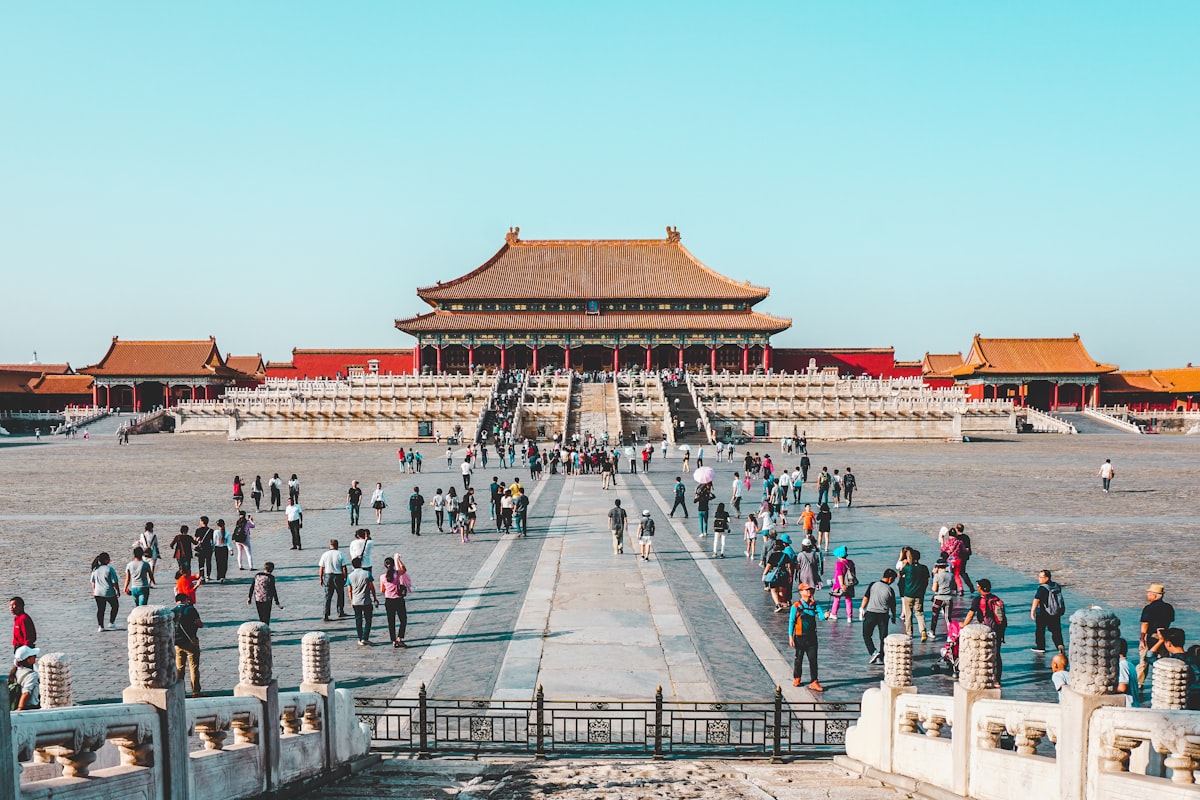
You’ve done the Forbidden City. You’ve walked the Great Wall. You’ve eaten the duck. Now what?
Beijing’s real magic isn’t behind a ticket booth — it’s in the things Beijingers actually do. The morning tai chi in a 600-year-old park. The tea master pouring jasmine tea through seven infusions in a courtyard. The experimental gallery hidden in a Bauhaus factory. These are the experiences that turn a sightseeing trip into something you’ll think about for years.
This guide covers Beijing’s living culture: what to book, where to show up, what it costs, and how not to embarrass yourself.
Traditional Tea Houses — The #1 Cultural Experience
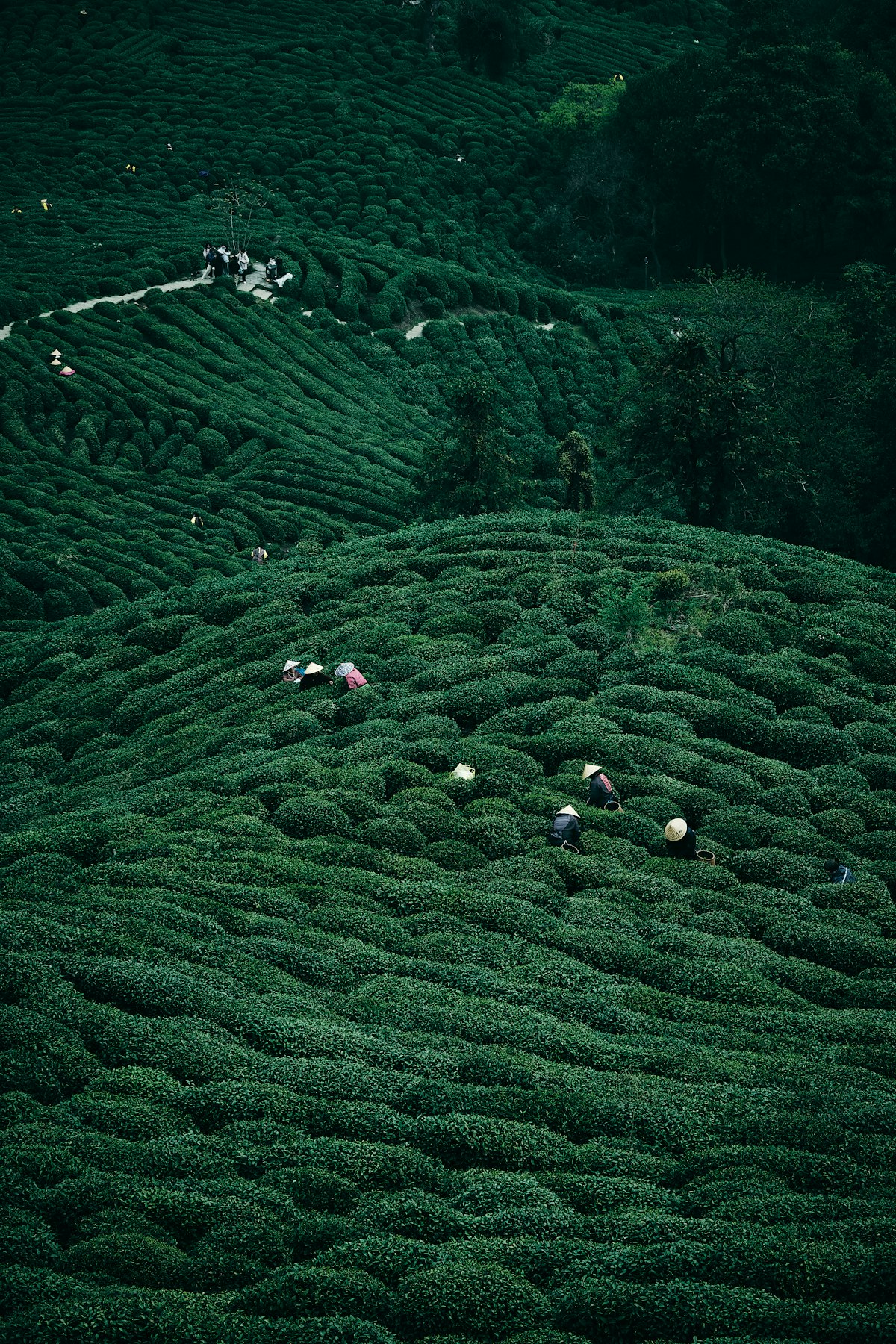
A proper Beijing tea house experience is not just drinking tea. It’s an hour-plus ceremony where a tea master guides you through multiple infusions, explaining why the water temperature matters, why the first pour is discarded, and how to smell the fragrance cup. It’s meditative, intimate, and very Beijing.
Where to Go
| Tea House | Vibe | Price (¥) | Price ($) |
|---|---|---|---|
| Lao She Teahouse (老舍茶馆) | The famous one — tea ceremony + variety show (acrobatics, opera excerpts, magic) | ¥180–380 | $25–53 |
| Maliandao Tea Street (马连道茶城) | Not a single tea house — a 2km street of wholesale tea shops. Enter any shop, they’ll brew for you. | Free to browse, ¥50–200 to buy | Free–$28 |
| Wuyutai Tea Shop (吴裕泰茶庄) | 1887 brand. Simple tea bar in Qianmen. Get a jasmine soft-serve while browsing. | ¥6–15 | $1–2 |
| Hutong courtyard tea houses | Scattered through Dongcheng hutongs. Look for 茶 signs. Most intimate experience. | ¥100–300/session | $14–42 |
What to Drink
Jasmine tea (茉莉花茶) — this is Beijing’s tea. Not green, not oolong. Jasmine-scented green tea is what old Beijingers drink from glass jars all day. The scenting process takes seven nights: tea leaves are layered with fresh jasmine blossoms, the flowers release their fragrance into the leaves, and the spent blossoms are sifted out each morning. Seven times.
In a tea ceremony, you’ll taste how each infusion reveals different layers — the first is floral, the second sweeter, the third deeper and more balanced.
Book ahead: Lao She Teahouse needs 1–2 days advance booking (ask your hotel or use Trip.com). Hutong tea houses can usually accommodate walk-ins. Maliandao requires no booking at all — just show up and wander.
Peking Opera — The Honest Guide
Let’s be honest: a full 3-hour Peking opera is challenging for a first-timer. The singing style uses falsetto and nasal tones unlike anything in Western music. The pacing is different. The storylines assume knowledge of Chinese history and folklore.
But the visuals — the costumes, the makeup, the acrobatics — are spectacular. And there’s a smart way to experience it without committing to a full evening of music you might not connect with.
The move: Book a highlights performance or “opera experience” that extracts the best 60–90 minutes: costume changes, acrobatic fight scenes, and arias with English subtitles. (Note: the famous face-changing / 变脸 is a Sichuan opera specialty, not Peking opera — it is sometimes woven into variety shows but is not a standard part of Beijing opera performances.)
Where to Watch
| Venue | What | Price (¥) | Price ($) |
|---|---|---|---|
| Liyuan Theatre (梨园剧场) | Designed for foreign audiences. 1-hour highlights, English subtitles, watch actors apply makeup before the show. | ¥200–580 | $28–81 |
| Huguang Guild Hall (湖广会馆) | 1807 historic theatre. More authentic. Opera + dinner packages available. | ¥180–680 | $25–95 |
| Mei Lanfang Grand Theatre (梅兰芳大剧院) | Modern venue named after the most famous Peking opera star in history. Full productions, some with subtitles. | ¥80–380 | $11–53 |
| National Centre for the Performing Arts (国家大剧院) | The “Egg.” World-class venue. Check their calendar for English-friendly opera and dance nights. | ¥100–500+ | $14–70+ |
Pro tip: Arrive 30 minutes early at Liyuan Theatre to watch the makeup application in a side room. Actors transform themselves into elaborate painted characters in real time — red for loyalty, white for treachery, black for integrity. It’s arguably more fascinating than the show itself.
Verdict: Worth doing once. Book the highlight version at Liyuan or Huguang. The costumes, makeup, and acrobatics alone justify the evening. If you love it — some people genuinely do — then consider a full production at Mei Lanfang.
Temple Fairs — If You’re Here During Chinese New Year
This is the single most Beijing cultural experience that exists — but it’s seasonal. Temple fairs (庙会) run during Chinese New Year (late January to mid-February; in 2026, roughly February 15–23).
What Happens
Temple grounds transform into carnival-meets-market. Traditional crafts (sugar painting, paper cutting, dough figurines), folk performances (lion dances, stilt walkers, drum troupes), and food stalls selling festival-only treats.
| Fair | Location | Vibe |
|---|---|---|
| Ditan Temple Fair (地坛庙会) | Temple of Earth park | The biggest and most famous. Massive scale, huge crowds by noon. |
| Longtan Temple Fair (龙潭庙会) | Longtan Park | Slightly less crowded, more family-oriented. |
| Changdian Temple Fair (厂甸庙会) | Hepingmen area | The oldest — dates to the Ming dynasty. More cultural, less commercial. |
What to eat: Tanghulu (糖葫芦 — candied hawthorn on a stick, ¥5–10), lüdagun (驴打滚 — glutinous rice rolls with red bean paste, ¥10–15), lamb skewers (羊肉串, ¥5–10 each), fried dough twists (麻花, ¥10–20).
Pro tip: Go in the morning, right when they open (around 8 AM). By noon, Ditan is a solid mass of people. The fairs run for about 7 days during the holiday period. Check exact dates before planning your trip — they change each lunar year.
If you miss CNY: A few temple fairs run mini-versions during other holidays, but they’re smaller. Ask your hotel concierge. For most of the year, this experience simply isn’t available — plan accordingly if your dates are flexible.
798 Art District — Beijing’s Creative Soul
A sprawling former East German-designed electronics factory complex (Bauhaus architecture, built in the 1950s) turned into China’s most important contemporary art district. Over 200 galleries, studios, cafes, and concept stores.
This isn’t a tourist attraction with a gift shop. It’s a real, living art ecosystem where major Chinese contemporary artists have studios. Ai Weiwei’s studio was here. The galleries range from blue-chip institutional spaces to underground experimental collectives.
What to See
| Venue | What | Price |
|---|---|---|
| UCCA (Ullens Center) | The anchor. World-class contemporary exhibitions. The standard by which other Beijing galleries are measured. | Special exhibitions ¥60–150 |
| Pace Beijing | International heavy-hitter. Rotating shows of global contemporary art. | Free |
| Long March Space | Influential Chinese contemporary gallery. Often politically and socially engaged work. | Free |
| Galerie Urs Meile | Swiss-Chinese bridge. Strong roster of Chinese and European artists. | Free |
| Smaller galleries | 200+ spaces. Pop into anything with an open door. Some are brilliant, some are baffling. Both outcomes are worthwhile. | Free |
How to Visit
Free to enter the district. Wander, pop into any gallery that looks interesting. Start at UCCA to get oriented (it’s the largest and most central), then explore organically.
Half a day minimum. A full day if you’re an art person. Wear comfortable shoes — the factory complex is huge and walking distances between galleries add up.
Where to Eat & Drink in 798
| Spot | What |
|---|---|
| At Cafe | The artist hangout. Good coffee, courtyard seating. |
| Timezone 8 | Art bookstore + cafe. Browse Chinese art books with a latte. |
| Any courtyard restaurant | Several mid-range options for lunch. ¥80–150/person ($11–21). |
Getting there: Subway Line 14 to Wangjing South (望京南), then 15-minute walk or short DiDi. Or DiDi directly to “798 Art District” (798艺术区).
Best time: Weekday mornings are quietest and best for gallery viewing. Weekends are lively with opening receptions. Note: some galleries close on Mondays, like much of the international art world.
Morning Tai Chi in the Parks — Free & Unforgettable
Every morning, Beijing’s parks fill with locals practicing tai chi (太极拳). Not for tourists — for themselves. It’s a lifelong practice combining slow, deliberate movement with breath control, rooted in martial arts and traditional Chinese medicine.
Where to Go
| Park | Time | Vibe |
|---|---|---|
| Temple of Heaven (天坛) | 6:00–9:00 AM | The most famous spot. Hundreds of practitioners in the Long Corridor and cypress groves. Buy your Temple of Heaven ticket (¥15–35) and enter at the East Gate. |
| Ritan Park (日坛公园) | 6:00–8:30 AM | Smaller, more local, fewer tourists. Free entry. |
| Ditan Park (地坛公园) | 6:00–9:00 AM | Good mix of tai chi, sword dancing, and singing groups. ¥2 entry. |
| Jingshan Park (景山公园) | 6:30–8:30 AM | Tai chi + that panoramic Beijing skyline from the hilltop. ¥2 entry. |
What You’ll Actually See
Tai chi is just the beginning. Morning parks are Beijing’s living room:
- Water calligraphy (地书): Men with giant brushes made of sponge-tipped poles write characters on the pavement using water. The strokes evaporate in minutes. Poetry, proverbs, sometimes just “hello” in English when they spot a foreigner watching.
- Songbird walking (遛鸟): Elderly men carrying caged songbirds through the park, hanging the cages in trees so the birds sing to each other. A dying Beijing tradition — the practitioners are mostly in their 70s and 80s.
- Erhu players (二胡): Chinese two-string violins, often playing melancholy traditional melodies from a bench under a tree.
- Elderly choirs: Belt revolutionary songs and folk classics with sheet music pinned to trees.
- Sword dancing: Practitioners with wooden or metal swords performing choreographed routines. Looks like a martial arts film, performed at 7 AM by someone’s grandmother.
Etiquette
- Watch respectfully. Do not walk through the middle of a group practicing tai chi.
- Photos are fine from a distance. Close-ups without permission are rude. Smile, gesture to your camera — they’ll almost always say yes and often pose proudly.
- If someone gestures for you to join, accept. Practitioners are often delighted to teach a foreigner a move or two. You’ll be terrible. They won’t care.
This is the Beijing that guidebooks miss entirely — and it costs nothing.
Hands-On Cultural Workshops
Watching culture is good. Doing culture is better. Beijing has a growing scene of hands-on workshops designed for visitors.
What to Try
| Experience | What It Is | Duration | Price (¥) | Price ($) |
|---|---|---|---|---|
| Calligraphy class | Learn to hold the brush, grind ink from an ink stick on an inkstone, write your first characters. Surprisingly meditative. | 1–2 hrs | ¥150–300 | $21–42 |
| Paper cutting (剪纸) | Traditional folk art. More approachable than calligraphy — you can produce something frame-worthy in an hour. | 1 hr | ¥80–150 | $11–21 |
| Dumpling-making class | Learn to wrap jiaozi from a Beijing grandma in someone’s hutong home. The most delicious cultural experience. | 2–3 hrs | ¥200–350 | $28–49 |
Where to book: Trip.com “Experiences” tab, Airbnb Experiences (accessible with eSIM/VPN — see our digital survival guide), or ask at your hotel. Some hutong guesthouses offer workshops directly to guests.
The dumpling class is the standout. You’ll learn the pinch-and-pleat technique, hear stories about what different fillings symbolize (pork and cabbage = prosperity; chive and egg = long life), and then eat your work. It’s the most direct line into a Beijing kitchen that exists for a short-term visitor.
Hutong Night Walk
We have a full guide to Beijing’s hutongs, but here’s the short version for culture seekers:
At dusk, walk from the Lama Temple (雍和宫) west along Wudaoying Hutong — quieter and more authentic than the better-known Nanluoguxiang. Browse the craft shops and tiny galleries that line the alley. Then head south toward Houhai (后海) lake as the red lanterns come on around the water.
Stop at a street-side fridge — the kind that looks like a convenience store cooler on the sidewalk — and grab a Beijing yogurt (老北京酸奶). It comes in a ceramic jar with a paper lid, ¥5–10. Drink it standing there and hand the jar back.
This costs ¥10 and feels priceless.
Modern Beijing — Not Everything Is Ancient
Beijing isn’t just temples and tea. The city has a thriving contemporary culture worth exploring.
Sanlitun (三里屯)
Beijing’s modern social heart. The Taikoo Li (太古里) complex is architecturally spectacular — a canyon of luxury flagship stores and design-forward buildings that feels like Beijing’s answer to Omotesando in Tokyo. High-end shopping, expat bars, clubs, rooftop lounges. If you want to see what young, fashionable, moneyed Beijing looks like in 2026, this is where.
Gulou / Drum Tower Area (鼓楼)
The hipster hutong. Vintage clothing shops, vinyl record stores, craft coffee roasters, and Beijing’s craft beer scene — Jing-A Brewing and Great Leap Brewing both have taprooms here. It’s the neighborhood where Beijing’s creative class hangs out, and it feels a world away from the Forbidden City crowds.
Qianmen / Beijing Fun (北京坊)
A redesigned historic neighborhood just south of Tiananmen. The standout is PageOne (叶壹堂) — a 24-hour, multi-level bookstore with spectacular interior design and a rooftop view of the old city gate. The surrounding streets mix traditional courtyard architecture with modern interiors, rooftop bars, and design shops. It’s especially atmospheric after dark.
Cost Summary
| Experience | Price (¥) | Price ($) | Time |
|---|---|---|---|
| Tea ceremony | ¥100–380 | $14–53 | 1–2 hrs |
| Peking opera highlights | ¥180–680 | $25–95 | 1–2 hrs |
| Temple fair | ¥10–30 entry | $1–4 | 2–4 hrs |
| 798 Art District | Free entry (galleries ¥60–150 for special exhibitions) | Free–$21 | 3–6 hrs |
| Tai chi watching | Free | Free | 1 hr |
| Calligraphy class | ¥150–300 | $21–42 | 1–2 hrs |
| Dumpling-making class | ¥200–350 | $28–49 | 2–3 hrs |
| Hutong night walk | ¥10 | $1.50 | 2–3 hrs |
Most cultural experiences in Beijing are remarkably affordable compared to equivalent activities in Europe or North America. You can fill an entire day with meaningful cultural experiences for under $100.
Cultural Etiquette — 4 Things That Matter
1. Temples: Don’t Point at Buddha Statues
If you enter an active temple — the Lama Temple (雍和宫) or the Confucius Temple (孔庙) are the most visited — do not point at Buddha statues. It’s considered disrespectful. Gesture with an open palm instead.
Walk clockwise around stupas and prayer wheels. This is the direction of the earth’s rotation in Buddhist cosmology.
Incense is typically lit outside temple halls, not inside. Watch what locals do and follow.
2. Tea Tapping: Two Fingers, Twice
When someone pours tea for you — in a tea house, at a restaurant, in someone’s home — tap the table twice with two fingers (index and middle finger together). This is a silent “thank you” with origins in a Qing dynasty emperor who traveled incognito and used this gesture so his servants wouldn’t kneel and blow his cover.
Locals do this without thinking. They’ll notice and appreciate that you do it.
3. Photos of People: Ask First
The older generation practicing tai chi, the water calligrapher, the erhu player — they’re doing their daily routine, not performing. Smile, make eye contact, gesture to your camera questioningly. The answer is almost always an enthusiastic yes, often with them posing proudly. The asking matters.
4. Shoes Off
If you enter someone’s home — a hutong guesthouse, a workshop in a courtyard residence, a dumpling class in a private kitchen — take your shoes off at the door. This is universal across China, not specific to Beijing, but it’s one of those things that separates respectful visitors from oblivious ones.
The Bottom Line
Beijing’s landmarks are exceptional. But the things you’ll actually tell people about when you get home aren’t the red walls of the Forbidden City — they’re the tea master who showed you how jasmine is scented over seven nights, the water calligrapher who wrote your name in characters that evaporated in the morning sun, the dumpling you folded yourself in a hutong kitchen while a Beijing grandma critiqued your pleating technique.
Budget at least a day and a half for cultural experiences. Don’t overschedule. The best moments — the erhu music drifting out of a courtyard, the invitation to join a tai chi group, the tea shop owner who insists you stay for one more infusion — aren’t on any itinerary.
Have questions about booking a specific experience? Something you’d add to this list? Leave a comment below.