China in Summer 2026: June & July Travel Guide — Weather, Crowds, and Where to Go
A friend messaged me last week: “Thinking of China in July. What’s the weather like?” I sent back three words: hot, humid, spectacular.
She asked for details. Fair enough. That’s what this guide is for.
Summer in China is not one thing. It is June in Yunnan (20°C, wildflowers, open trails) and July in Chongqing (38°C, 90% humidity, locals call it a steamer basket). It is grasslands in Xinjiang at their absolute peak green. It is a rain-soaked week in Shanghai where your socks never dry. It can be the best trip of your life or three weeks of sweat and regret. The difference is knowing where to go in which month.
Summer in China: the honest truth
It is hot. It is humid. In some places it is both at once in a way that makes you reconsider your choices. It is also the season when China’s best landscapes hit their peak. Ili grasslands at maximum green. Qinghai Lake ringed with yellow rapeseed blooms. Shangri-La under a sky so intensely blue it looks edited.
The strategy is straightforward and people forget it every year: go north, go west, or go up. Get above 2,000 meters. Get above the 40th parallel. Get west of the 100th meridian. Leave the lowland furnace cities to the people who have no choice.
June, July, and August each demand a different playbook. Here is how they break down.
June: the sweet spot
June is the best summer month for most travelers, and it is not close. The weather is warm without being punishing. Domestic school holidays have not started. The Dragon Boat Festival gives you a cultural moment without the logistical collapse of a major holiday. If you can travel in June, do it.
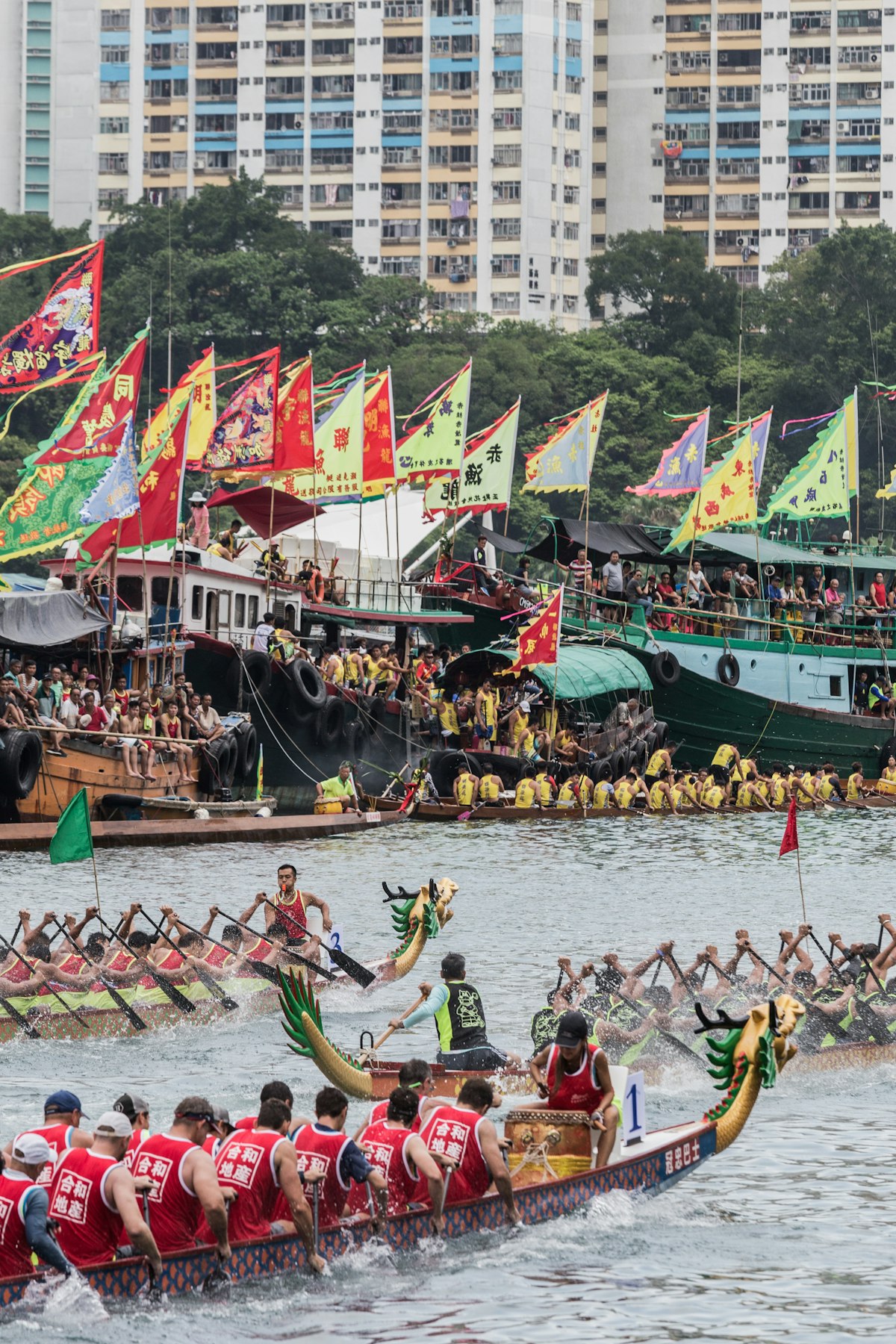
Dragon Boat Festival (June 19–21, 2026)
Three days. Dragon boat races on rivers and lakes nationwide. Zongzi (sticky rice dumplings in bamboo leaves) in every convenience store for ¥5–15. The crowds are regional rather than national. You can travel through this holiday without your plans imploding.
If you can, position yourself in a city with serious dragon boat tradition: Guangzhou, Hangzhou, Yueyang, or any water town in the Yangtze Delta. The races are free to watch. The atmosphere is festival-level without the crushing density of a Golden Week. It is the kind of holiday that adds to your trip rather than disrupting it.
For race locations and festival specifics, see our Dragon Boat Festival guide. For how this fits into the full calendar, the holiday survival guide has the complete picture.
June weather by region
Southern China sits in plum rain season (梅雨). Shanghai, Nanjing, and Hangzhou get persistent drizzle and high humidity. It is not the monsoon downpour people imagine. It is more like living inside a cloud for three weeks. Everything is damp. Your laundry will not dry. On the flip side, the Jiangnan water towns look their most atmospheric in the mist.
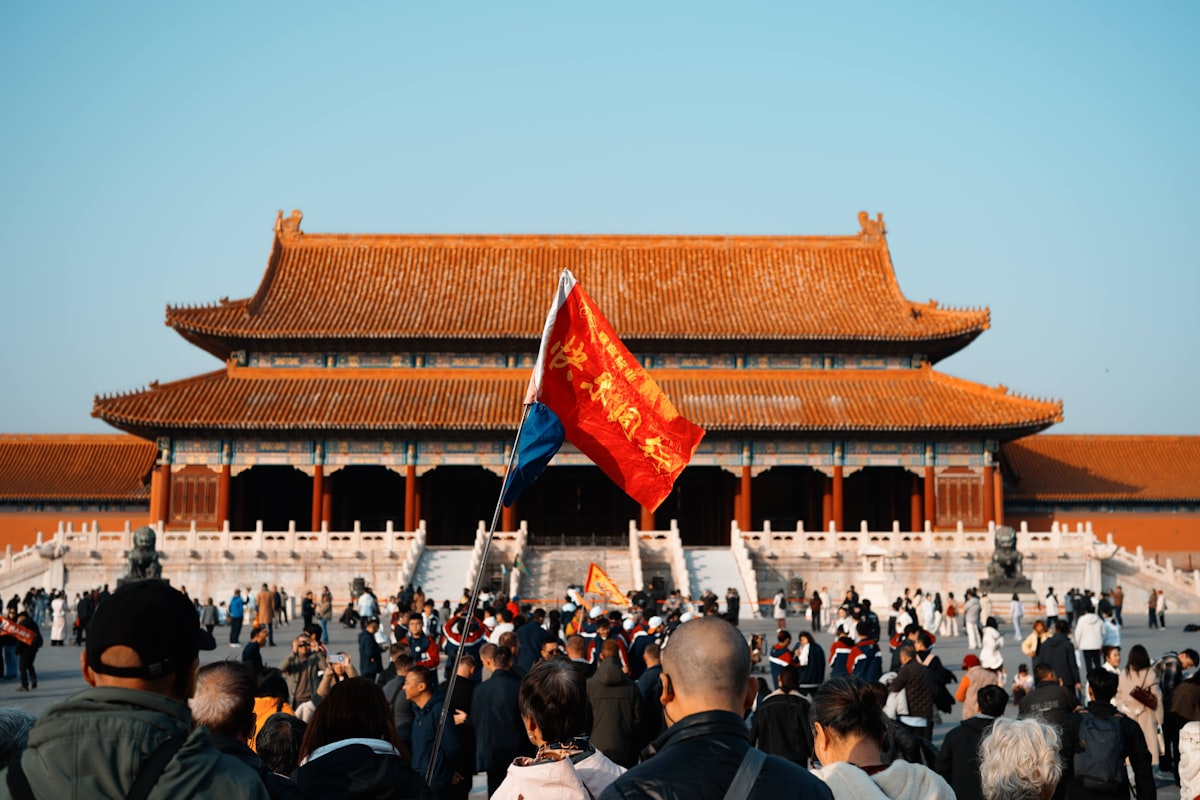
Northern China is pleasant. Beijing runs 28–32°C with cool evenings. The Great Wall in June is warm but walkable. Tourist numbers are thin compared to what arrives in July. This is the last month you can visit Beijing without aggressive pre-booking.
Western China is where June earns its reputation. Yunnan (Dali, Lijiang, Shangri-La) sits at 20–26°C with low humidity. You want a jacket at night. The skies are clear. This is peak trekking weather for Tiger Leaping Gorge.
Graduation season (毕业旅行)
Late June brings a wave of Chinese university graduates on their traditional post-exam trip. They are not numerous enough to break your plans, but popular youth destinations (Lijiang, Yangshuo, Xiamen, Dali) get noticeably busier in the last week of June. Book those hotels a week earlier than you otherwise would.
Best June destinations
Guilin and Yangshuo. It rains, yes. But the rain turns the karst landscape greener than you thought possible. The Li River runs full. The Longji rice terraces are flooded and mirror the sky. Bring a rain jacket and accept the damp. The scenery in these conditions justifies it.
Chengdu. Warm enough for outdoor teahouses, not yet the July furnace. Pandas are active in the morning cool. Street food runs at full speed. Evening hot pot on a warm Chengdu night with a cold beer is one of the best summer experiences in China.
Yunnan (Dali, Lijiang, Shangri-La). The right temperatures. Wildflowers starting. Trekking conditions are ideal. This is the window before the July domestic wave.
Beijing. Warm days, cool nights, a brief calm before school holidays. The Forbidden City and Great Wall are busy but manageable. Book the Forbidden City 7 days ahead regardless.
July: summer peak begins
Chinese school holidays start around July 1. Domestic tourism ignites. Every scenic spot in the country goes from busy to packed in a weekend. Hotel prices rise 20–50% in popular destinations. Train tickets evaporate within minutes of release.
The weather escalates with the crowds. Beijing hits 35°C and keeps climbing. Shanghai combines heat and humidity into something that feels personal. Xi’an bakes under a hard sun with minimal shade at the Terracotta Warriors. Chongqing at 38°C with 90% humidity is what locals call a “steamer basket” (蒸笼), and they mean it literally.
Where you should actually go in July
The strategy inverts. You are no longer choosing destinations for cultural appeal. You are choosing them for survival. Altitude is your ally. Latitude is your ally. Distance from the eastern seaboard is your ally.
Ili, Xinjiang — China’s best summer destination. This is not an opinion. The Ili grasslands hit peak green from late June through mid-July. Sayram Lake sits at 2,073 meters. Daytime temperatures run 25–30°C and nights drop to 10–15°C. You sleep under a blanket. The lavender fields near Huocheng bloom through early July. Kazakh herders ride horses across Nalati’s sky grassland at 2,200 meters. You can drink kumis in a yurt, wake up to snow peaks turning pink at sunrise, and completely escape the summer that the rest of China is suffering through.
Read our Ili Xinjiang grasslands guide for routes, costs, and yurt booking logistics.
Hulunbuir, Inner Mongolia. The other great grassland option. 20–28°C days, vast green steppe, Mongolian culture, and far fewer international tourists than Xinjiang. The Naadam Festival (wrestling, horse racing, archery) usually falls in July. Dates are confirmed closer to summer. If your timing aligns with it, this one is extraordinary.
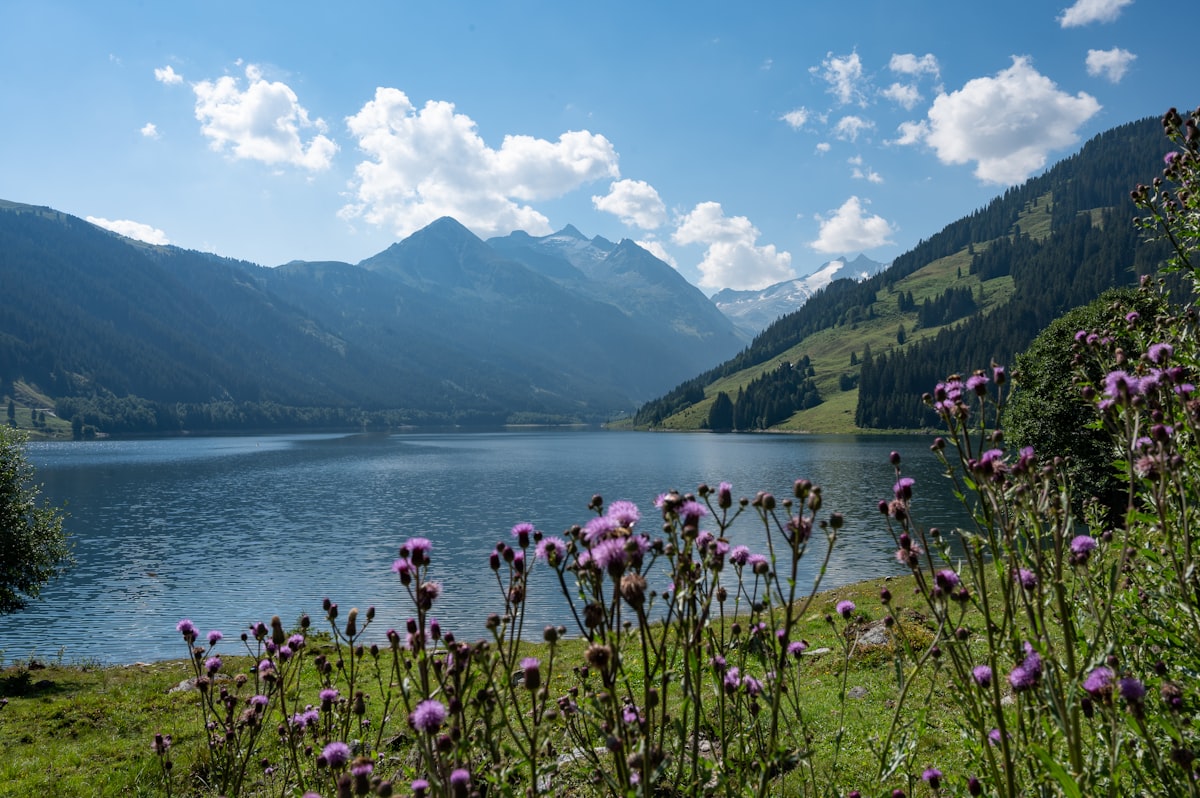
Shangri-La and Tiger Leaping Gorge. Shangri-La sits at 3,200 meters. Daytime highs of 20–22°C. Nights at 8–10°C. Wildflowers carpet the alpine meadows. The Tiger Leaping Gorge trek is at its best: dry trails, clear views of Jade Dragon Snow Mountain, and guesthouses with cold beer and hot food at each stage. See our Tiger Leaping Gorge and Shangri-La guide.
Qinghai Lake. The rapeseed bloom peaks in mid-July. A turquoise lake at 3,200 meters ringed by yellow flowers, with snow peaks on the horizon. Cool and dry. Cycling the perimeter (360 km) takes 3–4 days and ranks among China’s best summer rides.
Mountains at elevation. Huangshan at 1,864 meters runs 5–8°C cooler than the lowlands. Zhangjiajie’s sandstone pillars catch mountain breezes. Emei Shan’s summit at 3,099 meters wants a jacket even in July. These are not cold destinations. They are merely survivable ones, which in July counts as a win.
Where not to go in July
The Four Furnaces (四大火炉): Wuhan, Nanjing, Chongqing, and Nanchang. These cities hit 38°C or higher with suffocating humidity. Walking outside at noon is like being wrapped in a hot, wet towel. The traditional list sometimes shifts — Changsha, Fuzhou, and Hangzhou are frequent contenders — but the principle is constant: avoid lowland Yangtze River cities in July unless you have a specific reason and unusual heat tolerance.
Shanghai avoids the official furnace label, but its July humidity is punishing enough to belong on the list. If Shanghai is on your itinerary, do it in June or September. Not July.
August: peak crowds, peak heat
August is the hottest month and the busiest. Chinese families take their summer holidays while school is out. Everything that was crowded in July becomes more crowded. Everything that was hot becomes hotter.
The strategy tightens to a single rule: high altitude or far north.
Tibet works in August. The monsoon reaches the plateau but mostly as afternoon showers. Mornings stay clear. The landscape is green. Lhasa at 3,650 meters keeps temperatures moderate. Permits are required and the logistics are real, but August is a valid window.
The far northeast comes into its own. Harbin is pleasant at 22–28°C. Mohe, China’s northernmost town, sees August highs around 20°C with long daylight. This is not the Harbin of the ice festival. It is a different city in summer: beer gardens, riverside walks, Russian-influenced architecture, genuinely comfortable weather. See our Harbin guide which covers the winter side. The summer version is the same city with fewer tourists and better temperatures.
For beaches, skip Sanya. Hainan in August is a steam bath and every hotel is packed with Chinese families. Better alternatives: Weihai, Qingdao, and Dalian on the Shandong and Liaoning coast. Cooler, less crowded, good seafood, and Qingdao adds the beer festival to the equation.
Summer festivals and events
| Festival | Dates (2026) | Location | What to expect |
|---|---|---|---|
| Dragon Boat Festival | Jun 19–21 | Nationwide | Dragon boat races, zongzi, 3-day weekend. Best in Guangzhou, Hangzhou, Yueyang |
| Qingdao International Beer Festival | Late Jul–Aug (TBC) | Qingdao, Shandong | Massive beer festival. Tsingtao’s hometown. International beers, seafood, music. Dates announced about one month ahead |
| Naadam Festival | July (dates TBC) | Inner Mongolia | Mongolian wrestling, horse racing, archery. The cultural heart of the grasslands |
| Torch Festival | Late July (lunar calendar) | Yunnan, Sichuan, Guizhou | Yi ethnic minority festival. Torch processions, bonfires, dancing. Best around Dali and Lijiang |
| Various music festivals | Jun–Aug | Major cities | Strawberry Music Festival, Midi Festival, smaller regional events. Lineups announced in spring |
Dragon Boat is the only one with fixed dates. For the others, monitor Chinese social media (Xiaohongshu, Weibo) or ask your hotel a few weeks before arrival. These festivals are rarely marketed to foreign tourists, which is part of why they are good.
What to pack for China summer
Pack like you expect to sweat and intend to deal with it.
Clothes. Cotton and linen, not polyester. Loose-fitting everything. Two sets of light long-sleeve shirts and pants for sun protection and mosquito defense. One light rain jacket that breathes. Sandals for the city, closed shoes for hiking.
Umbrella. A compact UV umbrella is the single most useful item you can carry. It works for both sun and rain. Chinese people use umbrellas for sun protection constantly. Join them. You will be cooler and less sunburned.
Sunscreen. Bring it from home. Chinese sunscreen is expensive, comes in small bottles, and most brands include skin-whitening agents. If you want standard Western sunscreen, expect to pay ¥150–250 for a small tube at an imported goods store. Not worth it.
Mosquito repellent. Essential for southern China, rural areas, and anywhere near water. Bring DEET-based repellent from home. Chinese mosquito products are milder and less effective against the aggressive mosquitoes of the south.
Portable fan and power bank. A small USB fan costs ¥30–50. In a queue at 35°C, it is the difference between uncomfortable and completely defeated. The power bank keeps your phone alive while running maps, translation apps, and the fan simultaneously.
Water bottle. Tap water is not drinkable anywhere in China. Boiled water is available everywhere. Carry a bottle and refill at hotels and restaurants.
Modesty note. Chinese summer dress norms are practical. Shorts and tank tops are fine in cities. At temples and religious sites, cover shoulders and knees. Carry a light scarf or overshirt for those moments.
Booking strategy for summer
| What | June | July–August |
|---|---|---|
| Hotels (most cities) | 1–2 weeks ahead | 3–4 weeks ahead |
| Hotels (popular destinations) | 2–3 weeks ahead | 4+ weeks ahead |
| Hotels (Xinjiang, Yunnan peak) | 2–3 weeks ahead | 2+ months ahead |
| Train tickets | 15 days ahead at 8 AM Beijing time | 15 days ahead at 8 AM Beijing time |
| Domestic flights | 2–3 weeks ahead | 3–4 weeks ahead |
| Major attractions (Forbidden City, etc.) | 3–7 days ahead | 7 days ahead, on release day |
| Yurts (Nalati, Sayram Lake) | 1–2 weeks ahead | 2–4 weeks ahead |
Train tickets open 15 days before departure at 8 AM Beijing time. Set an alarm. For popular July routes, the 8 AM release is gone by 8:05. Trip.com lets you book without a Chinese ID. Use it.
For Xinjiang and Yunnan in July, consider booking the core elements (flights, key hotels, yurts) 6–8 weeks ahead. These regions have limited infrastructure relative to peak-season demand. The Nalati yurt you wanted will be gone if you wait until June to book.
The reverse tourism play
“反向旅游” (reverse tourism) is the 2026 travel trend: skip the famous destinations, go to smaller cities that have infrastructure but not the crowds. It started as a Chinese domestic movement and works just as well for foreign travelers who know where to aim.
Three summer reverse tourism picks for 2026:
Yanji (延吉), Jilin. A Korean-Chinese border city in the northeast. Summer temperatures run 22–28°C. The food fuses Korean and northeastern Chinese traditions: cold noodles (冷面) that actually cool you down, Korean BBQ, spicy pickled vegetables. Storefront signs in both Chinese and Korean. The city is clean, walkable, and close to Changbai Mountain. Almost no foreign tourists. Getting there: high-speed rail from Changchun or Shenyang.
Xingyi (兴义), Guizhou. Karst landscape comparable to Yangshuo but with perhaps 5% of the tourists. Wanfenglin (万峰林, “Forest of Ten Thousand Peaks”) is a valley of karst cones that rivals anything in Guangxi. Malinghe Gorge cuts through the city. Summer is warm but not furnace-level thanks to 1,300 meters of elevation. Getting there: flight from Guiyang or high-speed rail from Kunming.
Yichun (伊春), Heilongjiang. A forest city in China’s far northeast. Summer highs of 20–25°C. Surrounded by the Lesser Khingan Mountains. Clean air, dense forests, zero crowds. This is where Chinese travelers escape summer heat, but almost no foreign tourists have heard of it. Fly to Harbin, then take a 3-hour train north.
These are not hidden secrets to Chinese travelers. They are simply absent from English-language guidebooks. The hotels exist. Didi works. Restaurants have picture menus. You get the China experience without the China crowds.
If you remember three things
- June is the best month for most travelers. Good weather, manageable crowds, Dragon Boat Festival as a bonus. July and August require destination discipline. 2. Go north, west, or up. Lowland cities in July and August test your will to live. The grasslands, mountains, and high plateaus turn summer from a liability into the entire point. 3. Book ahead in July and August. The Chinese domestic travel market is massive and efficient. The good hotels, the yurt by the lake, and the train seat with a window will be taken by someone who planned. Do not let that someone be someone else.
Summer in China rewards the people who plan around it instead of fighting through it. Pick the right month and the right altitude. After that, the heat is someone else’s problem.
More summer planning resources:
- Dragon Boat Festival Guide — Races, zongzi, and where to watch
- Full 2026 Holiday Calendar — Every holiday, ranked by how badly it affects your trip
- Ili Xinjiang Grasslands Guide — China’s best summer destination in detail
- Tiger Leaping Gorge & Shangri-La Guide — High-altitude trekking for the summer months
- Harbin Ice Festival Guide — For the winter side; the summer side is beer gardens and 25°C
- First-Time China Guide — Everything you need before you go